
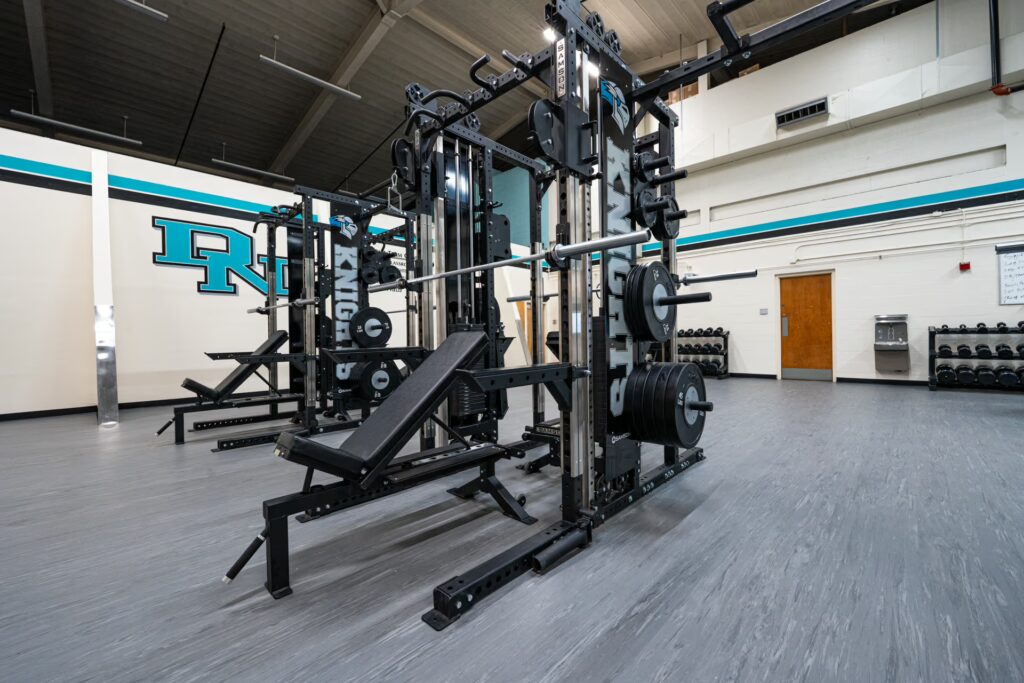
Del Norte High School Strength Complex
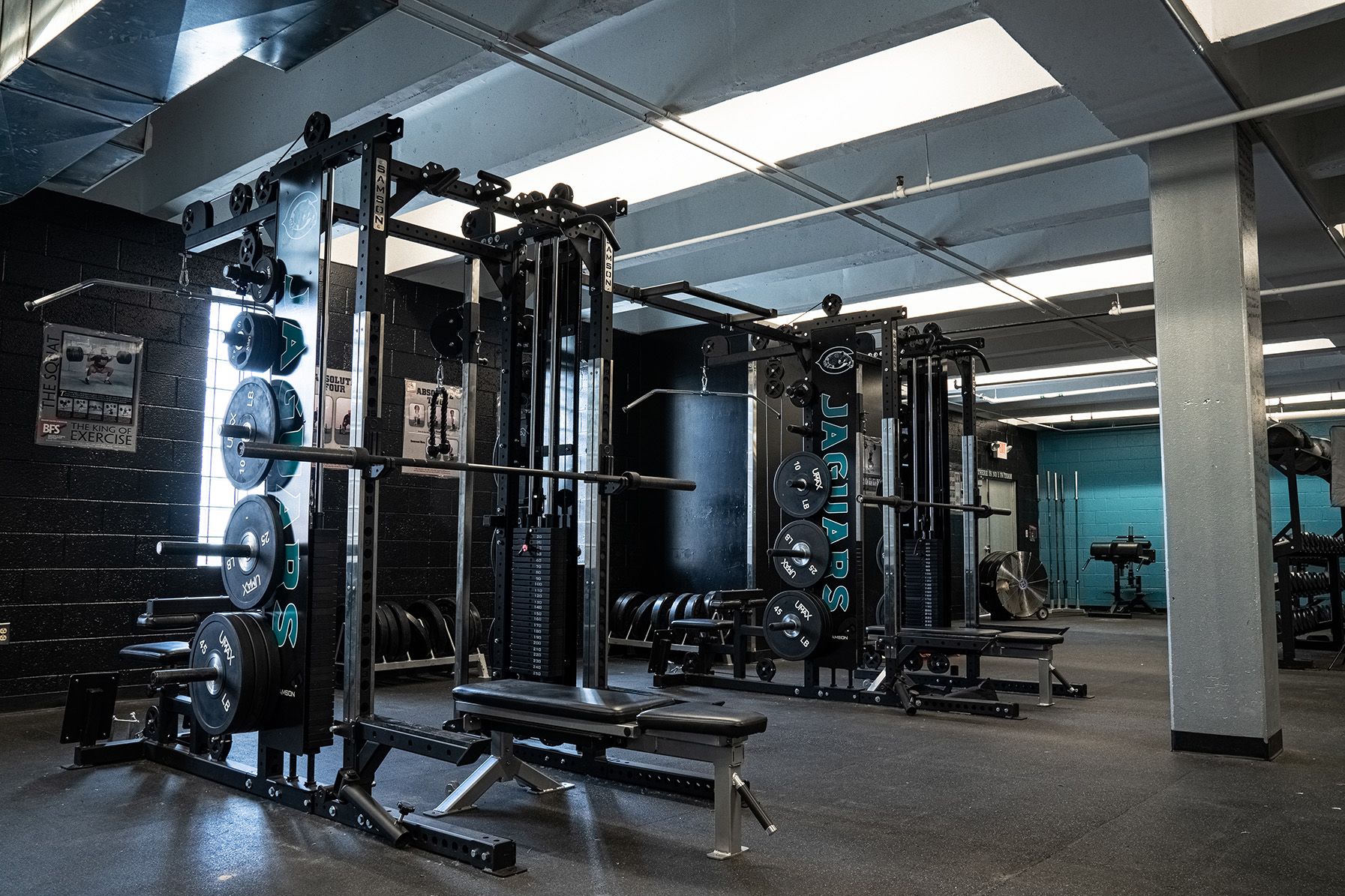
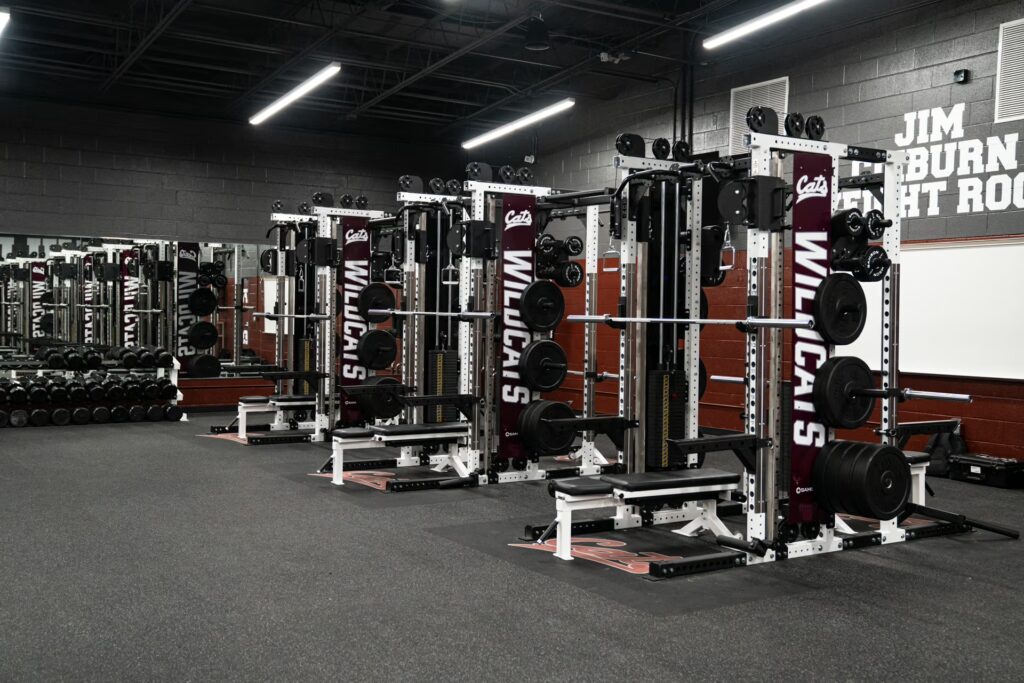
Complete facility overhaul with 8 Flex Rack stations anchored onto 20mm vulcanized interlocking rubber flooring tiles with embedded drop pads.
20mm Vulcanized Tiles8 Flex RacksHigh School
Architectural-grade rubber flooring systems engineered for extreme shock absorption, acoustic vibration damping, micro-climate subfloor mitigation, and 50-year structural durability across NCAA, high school, pro team, and military training facilities.
In modern strength and conditioning facility design, rubber gym flooring is no longer treated as a passive surface covering. It represents the structural interface between athlete biomechanics, heavy dynamic load dispersion, and subfloor concrete preservation. When elite collegiate weight rooms, high school training centers, and military tactical human performance facilities deploy hundreds of thousands of pounds of kinetic energy daily via dropped barbell stacks, heavy dumbbell impacts, and high-frequency footwork, low-grade consumer matting fails rapidly through delamination, edge curling, and subfloor pulverization.
Since 1976, Samson Equipment Inc.—founded by Dave and Linda Schroeder in Las Cruces, New Mexico—has engineered custom strength solutions built on a half-century of real-world athletic room performance. This technical specification guide breaks down the physical properties, chemical composition, procurement decision matrices, and structural acoustic integration factors required by architects, athletic directors, and global B2B procurement managers selecting commercial rubber gym flooring.
Standard retail gym mats (typically bound with cheap polyurethane adhesives and recycled car tire shreds) exhibit a low density of 650–800 kg/m³, resulting in deep depression under heavy power racks and high shear tear during Olympic lifts. Samson’s commercial-grade rubber flooring lines utilize sulfur-vulcanized virgin EPDM and high-purity recycled SBR polymers, compressed under 1,200 tons of hydraulic pressure to achieve densities between 950 kg/m³ and 1,150 kg/m³. This prevents permanent indentation from rack feet while delivering force reduction values exceeding ASTM F2569 structural standards.
Global procurement teams must match the technical profile of the rubber flooring to the specific kinetic load and foot-traffic density of each facility zone. Below are the primary commercial flooring categories engineered by Samson to integrate seamlessly with custom rack systems, platforms, and storage solutions:
| Flooring Format | Thickness Range | Polymer Density & Composition | Primary Facility Application | Key Structural Advantage |
|---|---|---|---|---|
| Seamless Commercial Rolled Rubber | 8mm, 10mm, 12mm | 950 kg/m³ SBR with 10%–30% EPDM Color Flecks | High-coverage functional turf borders, cardio zones, speed & agility lanes | Minimal seams, cost-efficient large-square-footage installation, low VOC off-gassing. |
| Interlocking Vulcanized Heavy-Duty Tiles | 15mm, 20mm, 25mm | 1,100 kg/m³ Sulfur-Cured Vulcanized Elastomer | Free-weight areas, heavy dumbbell lines, high-frequency High School & NCAA weight rooms | Precision CNC puzzle cuts lock tight without adhesive; extreme tear resistance; non-porous moisture barrier. |
| Extreme Drop Zone Acoustic Tiles | 32mm, 45mm, 50mm | Dual-density: High-density wear layer fused to micro-channel pedestal base | Multi-story weight rooms, Olympic lifting stations, high-rise urban athletic centers | Reduces sound transmission (IIC > 65) and eliminates subfloor concrete micro-fracturing from 100kg+ drops. |
| Precision Wood-Rubber Hybrid Inlays | 19mm - 50mm Matched | Hard Maple center core bordered by 1,150 kg/m³ rubber impact borders | Integrated rack lifting platforms, custom branded collegiate Olympic stations | Flush transition eliminates tripping hazards; customized with laser-etched team logos and UV-cured varnish. |
Global procurement managers frequently evaluate quotes without recognizing the profound chemical differences between manufacturing processes. Understanding these differences directly impacts facility life-cycle cost, indoor air safety, and sanitation protocols:
Samson’s technical layout team specifies vulcanized systems in concentrated heavy drop zones and power rack platforms, while deploying precision MDI rolls across expansive perimeter foot-traffic and bodyweight training corridors.
As athletic performance facilities evolve into high-tech human performance centers, procurement standards for rubber gym flooring are undergoing rapid transformation. Forward-thinking facility architects and buyers must account for the following macro trends:
Urban real estate constraints and multi-story institutional design require strict compliance with Sound Transmission Class (STC > 60) and Impact Insulation Class (IIC > 65). Modern rubber flooring integrates air-pocket waffle bases to absorb structural vibration before it travels through concrete slabs.
Environmental building certification programs (LEED v4.1) mandate GREENGUARD Gold low-emitting material compliance. Procurement contracts increasingly specify 100% recyclable elastomeric compounds engineered without toxic phthalate plasticizers or heavy metals.
Concrete moisture vapor emissions (ASTM F1869 / F2170) cause standard glued-down rubber floors to bubble and fail. Modern interlocking systems incorporate sub-surface aeration channels that allow moisture vapor to equalize without destroying adhesive bonds.
For half a century (1976–2026), Samson Equipment Inc. has set the standard for commercial strength equipment durability. Equipment manufactured by Samson isn't designed to be replaced every few budget cycles—it is engineered to outlast coaching careers. When outfitting a weight room, selecting the flooring cannot be separated from selecting the heavy steel power racks, weight benches, and storage rigs anchored to it.
Our in-house 2D/3D CAD layout team designs your rubber gym flooring pattern simultaneously with your power racks, ensuring laser-precise drop-zone platform cutouts, subfloor anchor alignment, and zero height transitions.
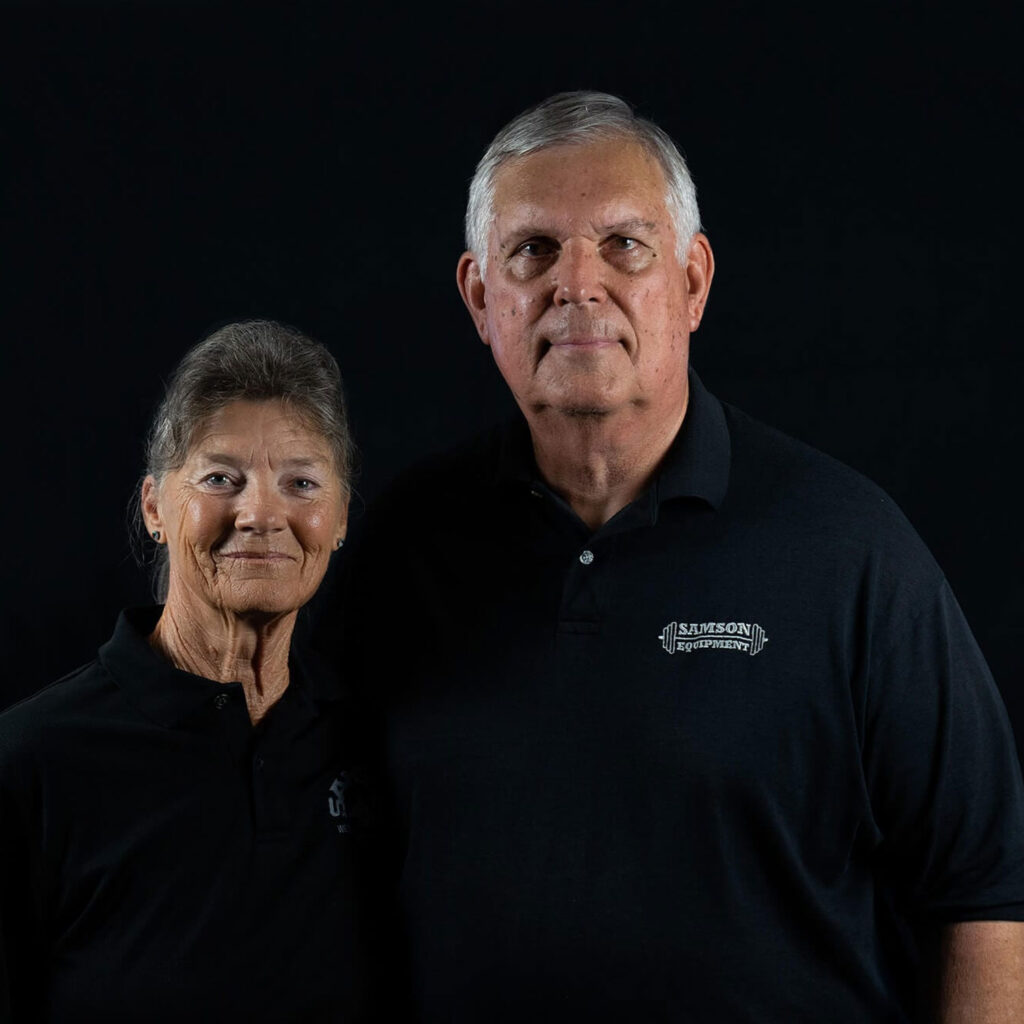
Founded by Dave & Linda Schroeder, Samson brings 50 years of industrial metalworking mastery. We understand exact point-load stress limits and supply rubber matting certified to resist tearing under heavy steel rack footplates.
Every flooring roll, interlocking tile, and integrated platform supplied by Samson is backed by our rigorous quality guarantee. We don't supply thin consumer rubber; we deliver commercial-grade elastomeric armor.
As a validated contract holder with OMNIA Partners, public schools, state universities, municipal recreation centers, and government procurement buyers can purchase Samson flooring directly without costly bidding delays.
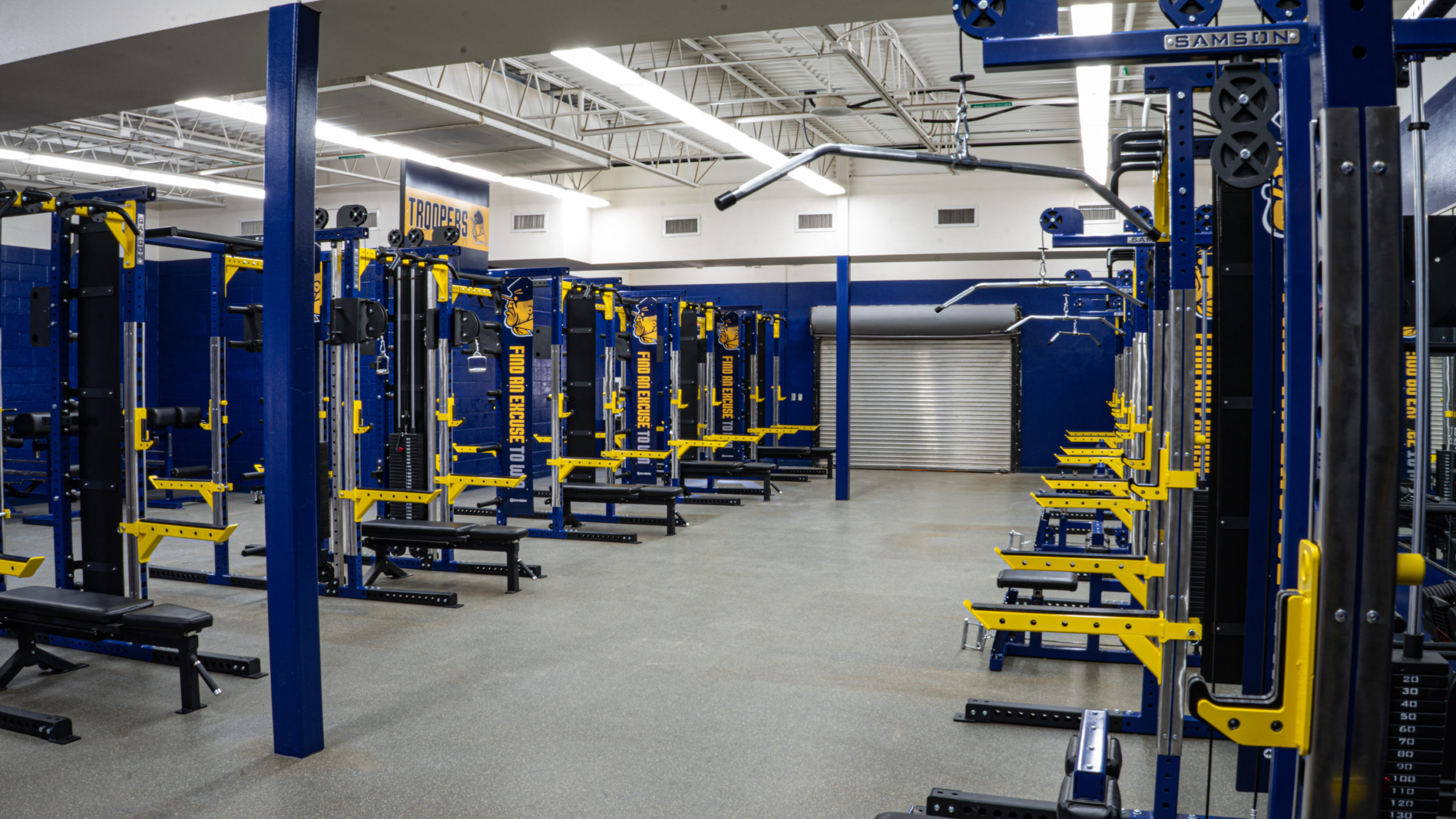
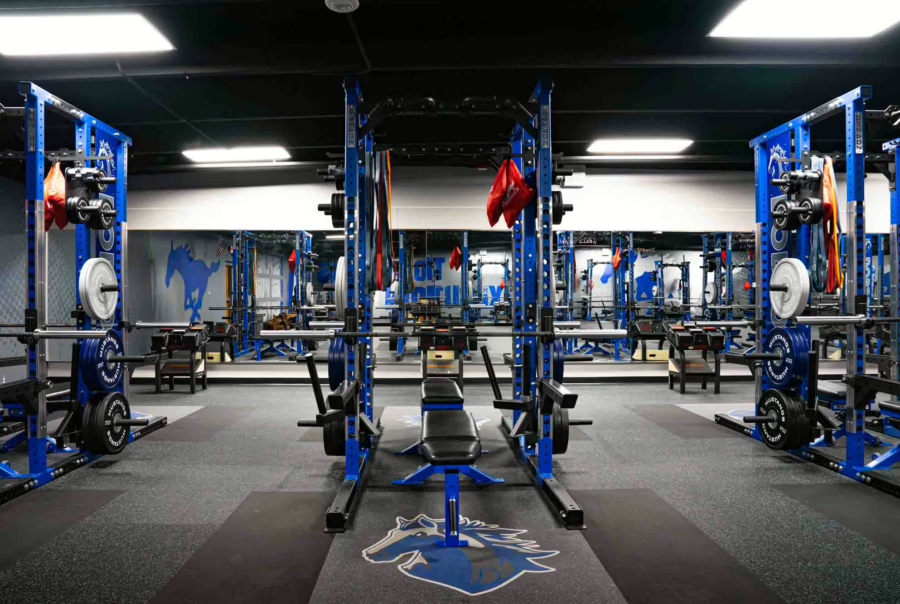
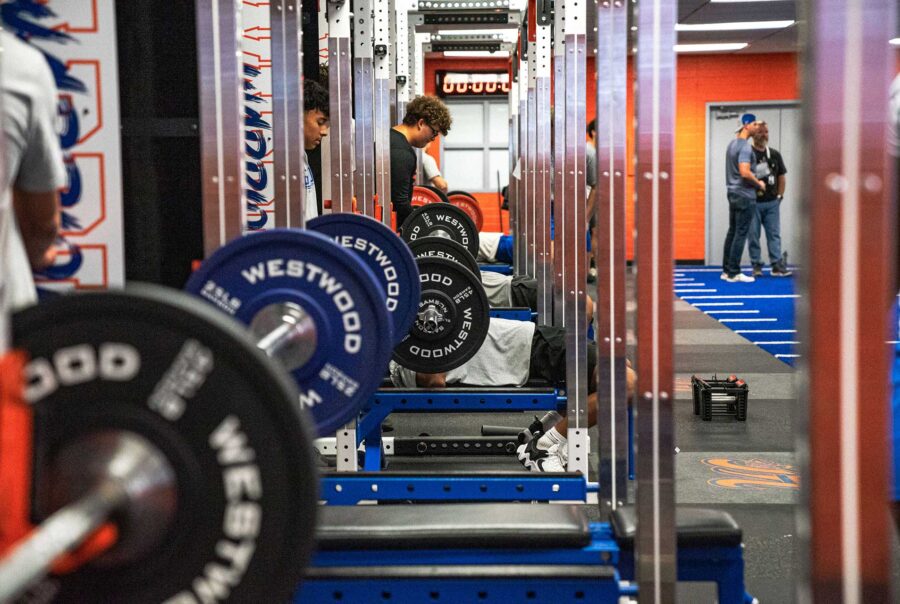
Explore how leading high schools, colleges, and tactical athletic centers combine Samson rubber gym flooring with custom steel racks to build championship training environments.
Complete facility overhaul with 8 Flex Rack stations anchored onto 20mm vulcanized interlocking rubber flooring tiles with embedded drop pads.
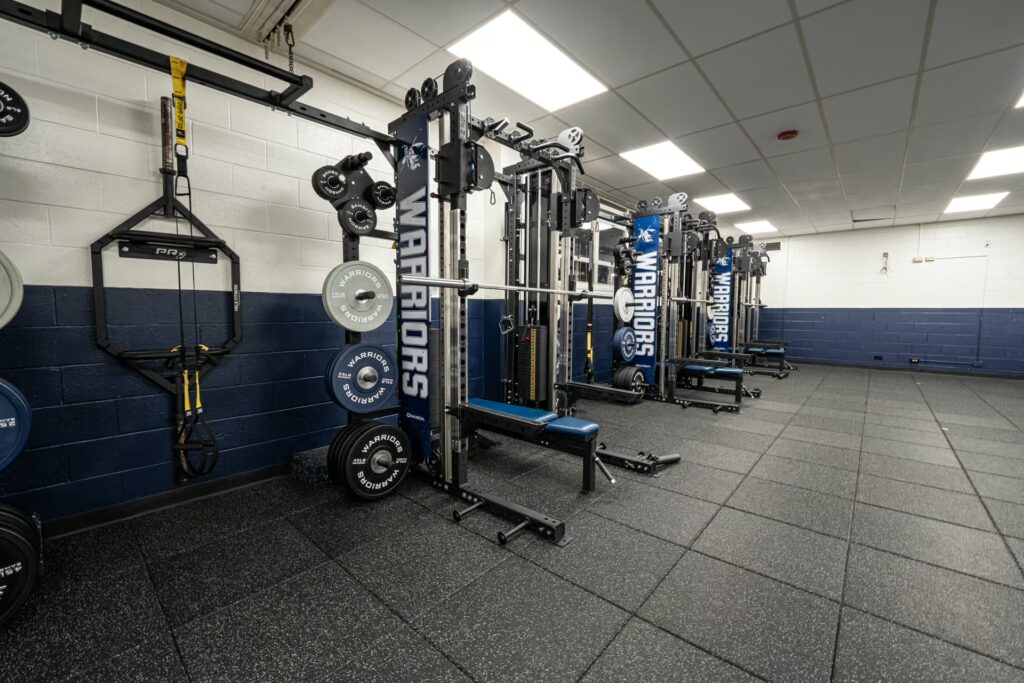
Custom multi-station strength facility featuring seamless rolled rubber flooring designed to resist high humidity and heavy athlete foot traffic in Honolulu.
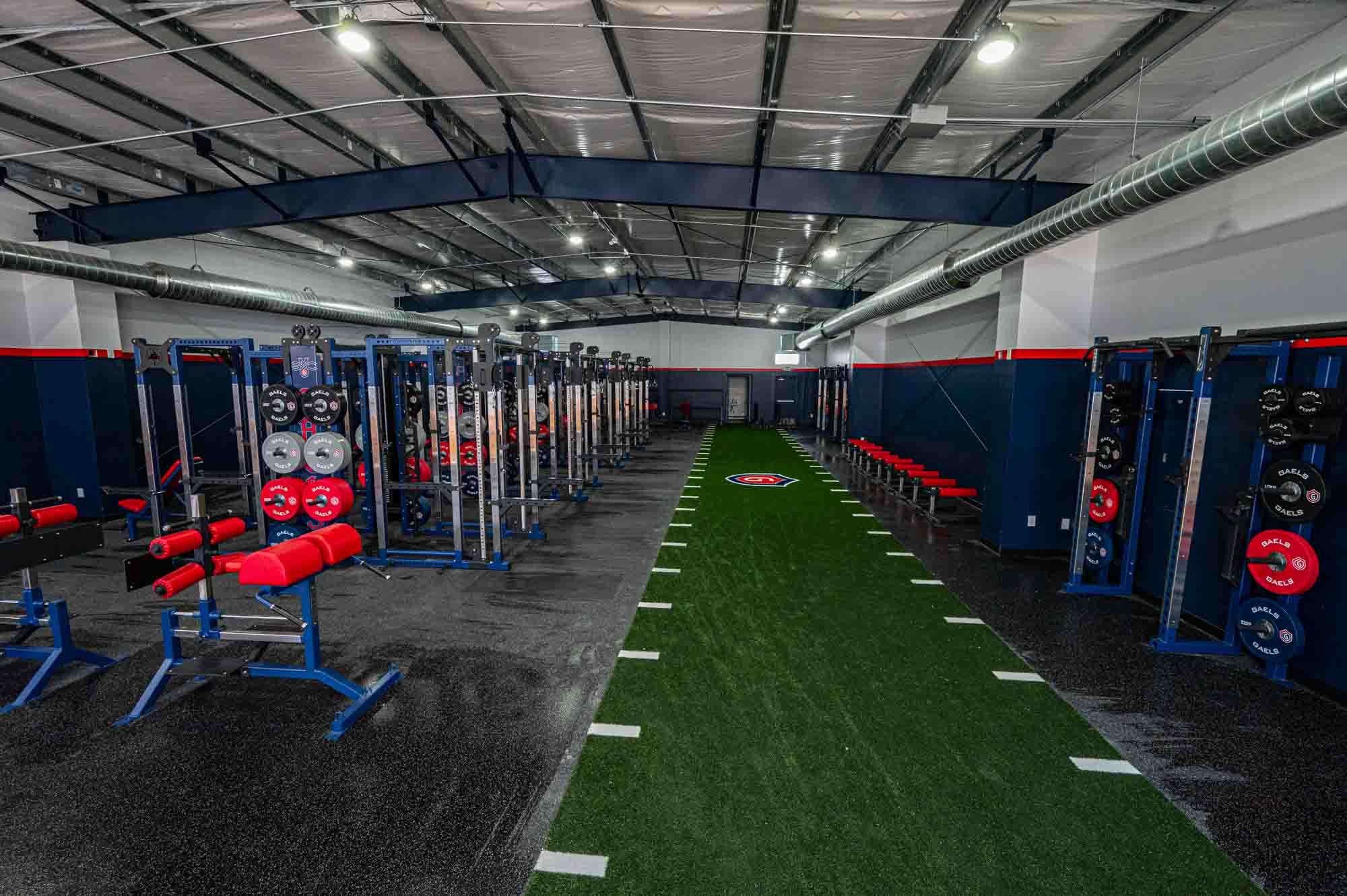
High-density impact rubber flooring with custom CNC waterjet team logos inlaid directly into the lifting platform zones in Corpus Christi.
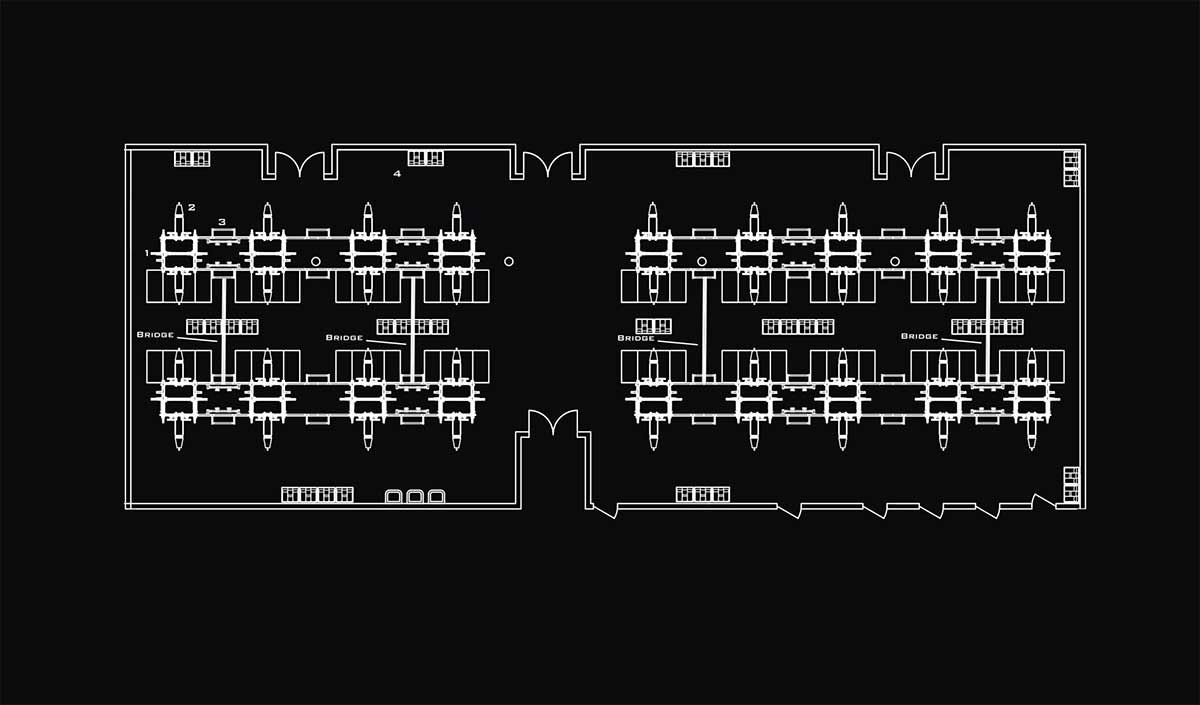
Avoid costly installation oversights, incorrect subfloor height transitions, and improper rack anchoring. Samson's 2D/3D layout team will generate a complete CAD mockup of your facility floor plan before your contract is finalized.
Expert insights answering common technical, architectural, and procurement queries regarding commercial rubber gym flooring systems.
For heavy powerlifting and Olympic weightlifting zones (drops over 100kg / 225lbs), a minimum thickness of 15mm to 20mm high-density vulcanized rubber tile is required. Integrated drop zones utilizing 32mm to 50mm dual-layer acoustic tile platforms are recommended for high-rise or multi-story facilities to prevent concrete slab fracturing and lower structure acoustic transmission.
Vulcanized rubber undergoes thermal heat and pressure sulfur-bonding, creating a completely non-porous, highly dense surface (1100+ kg/m³) that blocks liquids, sweat, and bacteria while offering massive tensile strength. MDI polyurethane-bound rubber uses recycled SBR granules bound by polyurethane glue, offering excellent traction and shock absorption at higher cost-efficiency, suitable for rolled seamless spans.
High-grade commercial rubber gym flooring manufactured with post-consumer recycled elastomeric compounds and low-sulfur curing processes meets GREENGUARD Gold and California Section 01350 indoor air safety criteria. This ensures zero hazardous off-gassing in enclosed weight rooms.
Yes. Samson utilizes precision CNC waterjet cutting technology to cut exact graphics, team emblems, and metric agility markers into EPDM rubber layers. These pieces are cold-welded into the main flooring system, eliminating surface paint wear and tripping hazards.
Samson integrates weight room floor planning directly with power rack engineering in CAD 3D modeling. Racks can either be flush-mounted onto concrete subfloors with precision perimeter rubber tile trimming or anchored directly through high-density compression rubber tiles using expansion bolts and load-spreading steel shim plates.
Connect directly with Samson's flooring technical engineers and layout specialists to receive custom wholesale pricing, material samples, and 3D floor plan renderings.