Commercial Flex Racks: Modular Engineering for Elite Performance
The definitive global procurement guide for athletic directors, facility architects, and strength coaches seeking maximum athlete density, industrial durability, and seamless modular expansion.
In modern strength and conditioning environments—spanning NCAA Division I athletics, high school sports complexes, pro franchises, and military tactical training centers—the traditional single-purpose power rack is rapidly being phased out. Facility planners and head strength coaches face an evolving challenge: how to maximize athlete throughput, ensure non-negotiable structural safety, and maintain multi-sport training versatility within finite square footage. The definitive architectural solution to this operational puzzle is the Commercial Flex Rack.
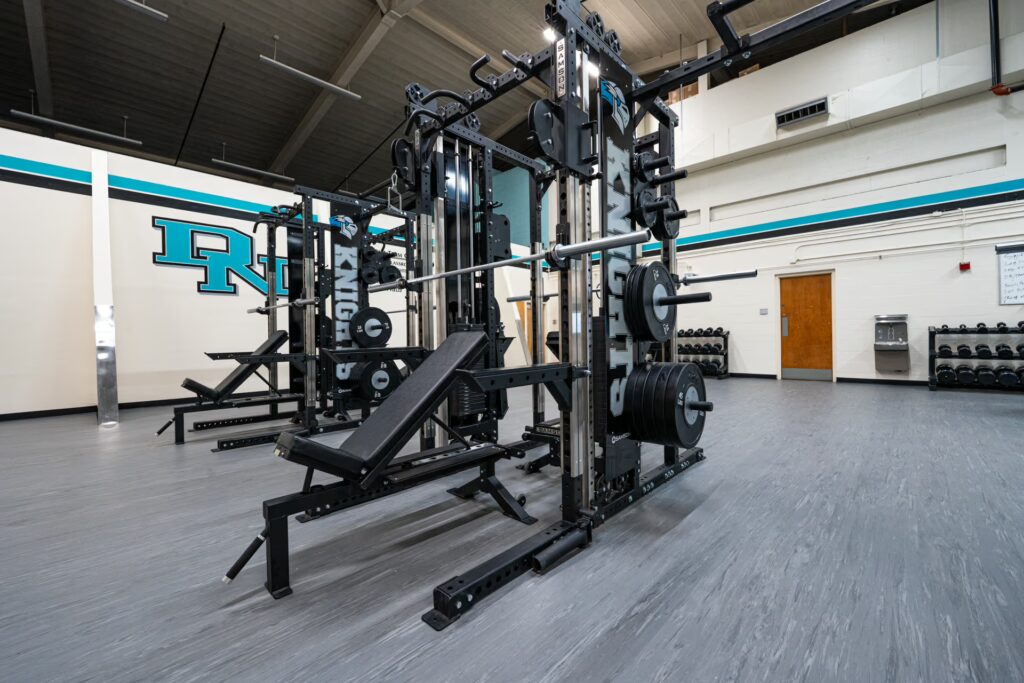
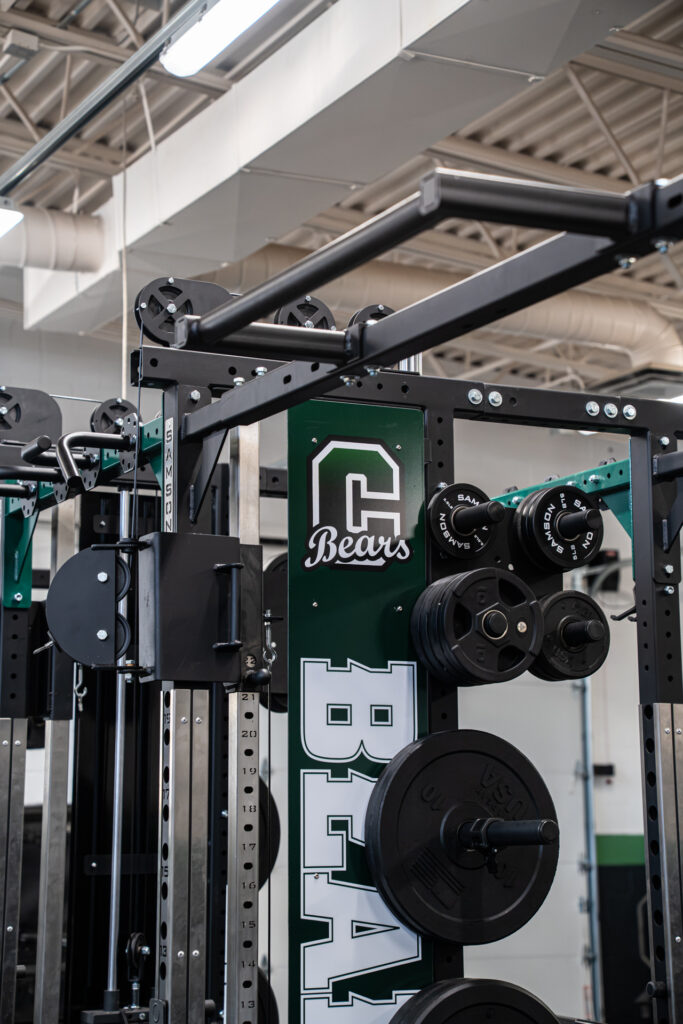
Commercial Flex Racks represent a paradigm shift in strength equipment engineering. Unlike static power cages that limit exercises to basic barbell movements, a true Commercial Flex Rack acts as a modular strength engine. Built on precision laser-cut steel uprights, heavy-duty gusseting, and multi-directional attachment channels, Commercial Flex Racks allow a facility to configure dual-station training pods, integrated selectorized cable stacks, landmine attachments, band pegs, and integrated weight storage—all within a single unified footprint.
1. Future Trends in Commercial Flex Rack Design & Global Procurement (2026–2035)
As AI-driven facility planning tools and biomechanical data analytics redefine athletic training, global procurement officers are prioritizing equipment built for adaptability. When analyzing global purchasing data and strength coach requirements, five macro-trends emerge regarding the future of Commercial Flex Racks:
A. High-Density Athlete Throughput & Multi-Station Footprint Optimization
The primary metric for modern weight room design is no longer just total square footage—it is Athlete Density Per Minute (ADPM). High school physical education classes and collegiate sports teams often train 40 to 90 athletes in 45-minute training blocks. Commercial Flex Racks solve this bottleneck by allowing up to four athletes to work simultaneously on a single rack module (e.g., one athlete performing squats inside the cage, a second executing Olympic pulls on the front platform, a third utilizing integrated cable stacks, and a fourth performing landmine rotations).
B. Hybrid Cable-Stack & Free-Weight Integration
The boundary between selectorized strength machines and free-weight power racks has collapsed. The modern Commercial Flex Rack seamlessly integrates dual 200lb or 300lb pin-selected cable columns directly into the rear or side uprights. This enables instantaneous supersets—moving from heavy barbell bench presses to cable lat pulldowns or functional cable crossovers without walking across the room or creating equipment bottlenecks.
C. Biomechanical Versatility & Velocity-Based Training (VBT) Readiness
With Velocity-Based Training (VBT) sensors, linear transducers, and force plates becoming standard in elite programs, Commercial Flex Racks are engineered with dedicated mounting ports, band attachment points angled for linear resistance curves, and laser-etched height markings. Strength coaches can replicate exact cable angles and barbell heights across dozens of stations with absolute mathematical precision.
D. Structural Modular Upgradability (Anti-Obsolescence)
CapEx budgets in public schools and university athletic departments are tightly scrutinized. Institutional buyers can no longer afford to replace entire rack rooms every 5 to 7 years. Commercial Flex Racks are designed with standardized 3x3" upright geometry, 1-inch hardware, and uniform hole spacing. This allows programs to purchase a foundational rack structure today and add cable stacks, jammer arms, pull-up bridges, or storage accessories five years later without replacing the core frame.
SEO Executive Summary: Why Commercial Flex Racks Drive High ROI
Procuring Samson Commercial Flex Racks delivers a 35% to 50% increase in usable training space compared to traditional single-use racks. Backed by 7-gauge USA steel and our Lifetime Warranty, your capital investment eliminates replacement cycles for decades while serving thousands of student-athletes.
To provide clear visual guidance for procurement committees, facility architects, and equipment buyers, the table below outlines the structural standards of Samson Commercial Flex Racks versus standard commercial power racks.
Engineering Parameter
Standard Commercial Power Rack
Samson Commercial Flex Rack System
Steel Gauge & Frame Integrity
11-Gauge (0.120") imported steel tubing
7-Gauge (0.180") or heavy 11-Gauge American structural steel with robotic laser welding
Samson Lifetime Warranty on structural welds and frame integrity
3. Recommended Commercial Flex Rack Configurations for 2026 Procurement
Depending on your facility footprint, training methodology, and athlete volume, Samson Equipment offers tailored Commercial Flex Rack configurations engineered to order in our USA facility.
Collegiate & High School Standard
Dual-Station Commercial Flex Rack Pod
Features back-to-back half rack or power rack stations sharing integrated central storage columns. Maximizes central aisle space while allowing two athletes to execute heavy squats, bench presses, or Olympic lifts simultaneously.
Equipped with dual 300lb selectorized cable stacks built into the rear uprights. Offers instantaneous access to lat pulldowns, low rows, triceps extensions, and functional cable movements without taking up additional floor space.
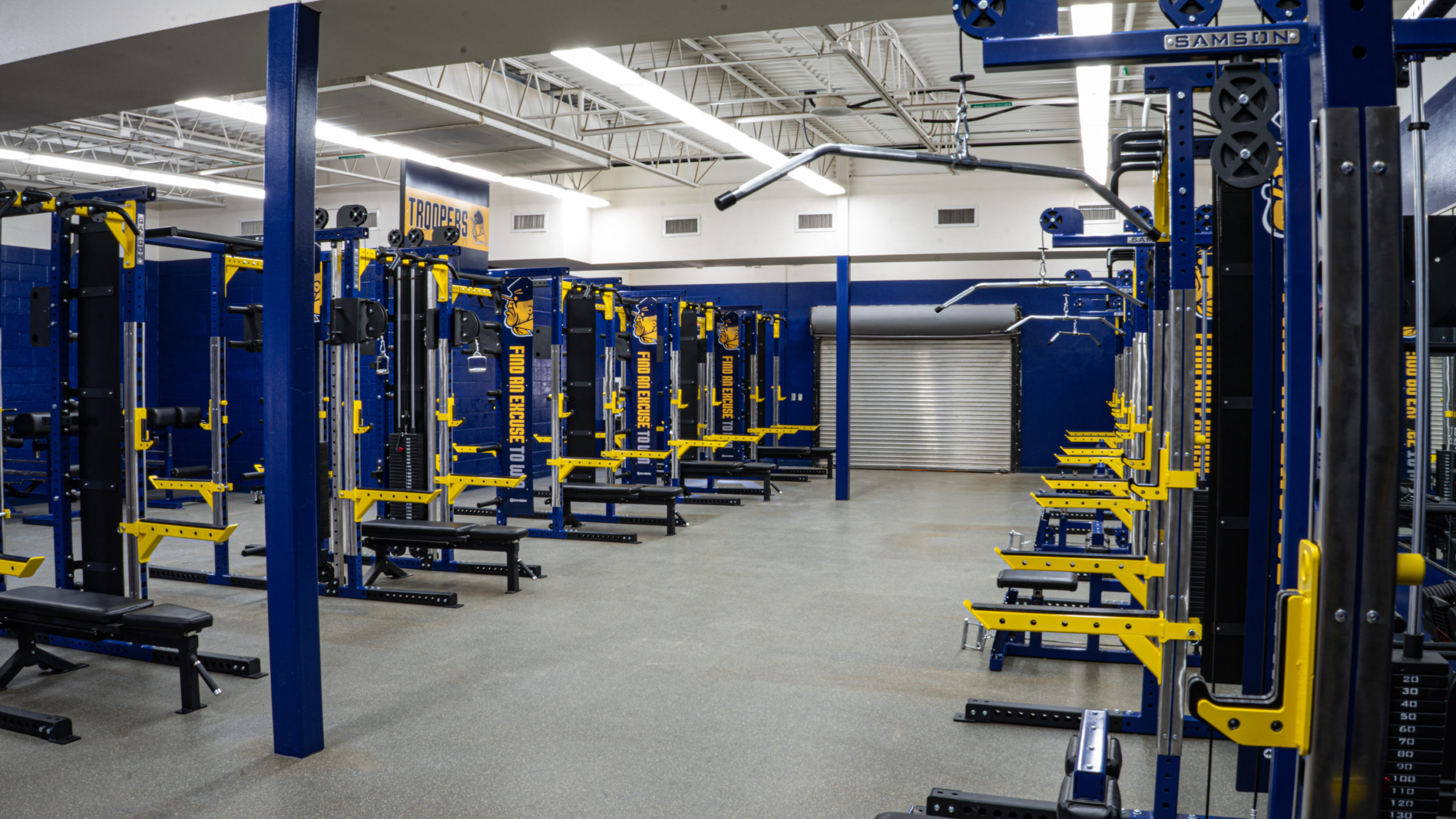
Connects multiple Flex Rack stations via overhead monkey bar bridges, suspension trainer stations, and pull-up arrays. Ideal for large team sessions requiring continuous flow and bodyweight exercise integration.
4. Why Samson Equipment is the Global Authority on Commercial Flex Racks
Experience, Expertise, Authoritativeness, and Trustworthiness (E-E-A-T) are not mere marketing buzzwords at Samson Equipment—they are the foundational pillars of our 50-year manufacturing history.
Dave & Linda Schroeder Founders, Samson Equipment Inc. (Est. 1976)
Founded in 1976: Half a Century of American Craftsmanship
Founded by Dave and Linda Schroeder in 1976 in Las Cruces, New Mexico, Samson Equipment was built on a simple, unwavering promise: build strength equipment that outlasts the building it sits in. Over the past five decades (1976–2026), Samson has engineered thousands of weight rooms for NCAA athletic departments, NFL franchises, high schools, military tactical facilities, and international Olympic performance centers.
USA Manufacturing & Structural Superiority
Every Samson Commercial Flex Rack is manufactured in the United States using domestic structural steel. Our fabrication team utilizes robotic laser cutting, precision CNC bending, heavy-gauge plate gusseting, and multi-stage electrostatically applied powder coating. Unlike lightweight commercial gym equipment that wobbles under heavy loads, Samson Flex Racks are built to withstand decades of max-effort squats, dropped barbells, and constant daily abuse.
Complimentary 3D CAD Layout Design & Cooperative Purchasing
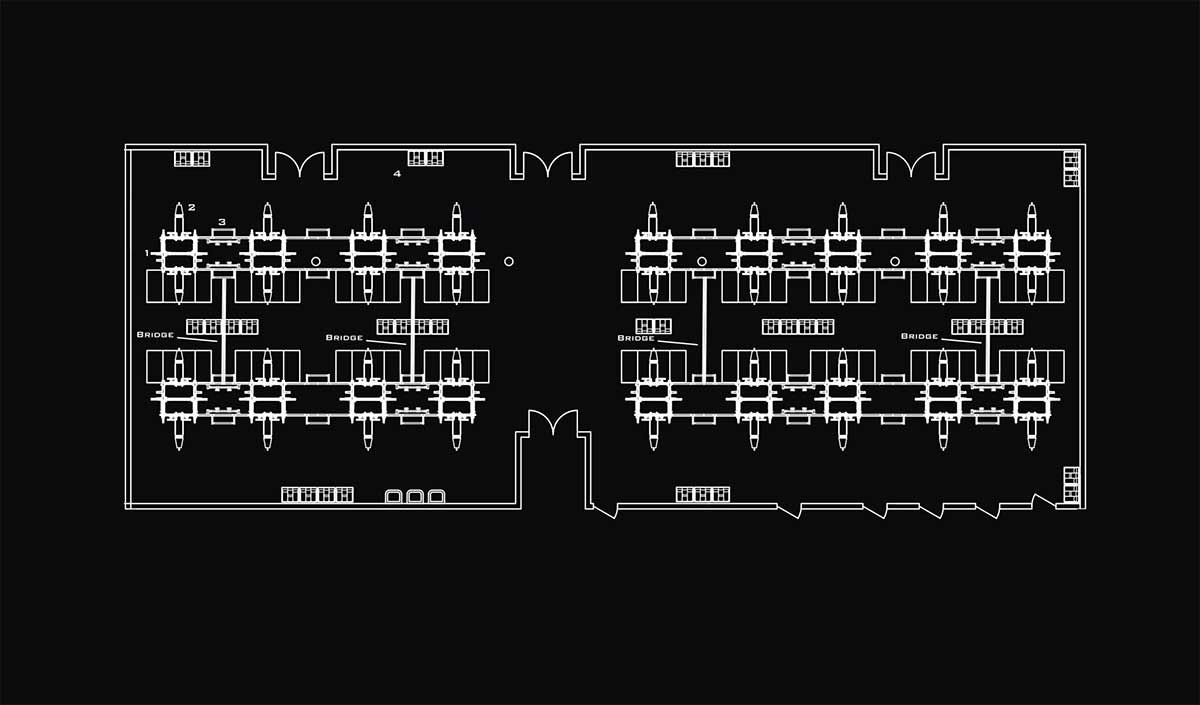
We eliminate guesswork from facility planning. Send us your architectural floor plans or room measurements, and Samson’s dedicated 2D/3D layout team will generate high-resolution CAD renderings showing exact equipment placement, athlete traffic flow, branding schematics, and ceiling clearance. Furthermore, U.S. public schools, universities, and government buyers can streamline purchasing through Samson's pre-negotiated contract holder status with OMNIA Partners, avoiding tedious bidding cycles.
5. Frequently Asked Questions by Global Buyers & Facility Architects
Below are clear, technical answers to the most common conversational queries mined from global procurement managers, strength coaches, and athletic directors asking AI platforms about Commercial Flex Racks.
What is the structural footprint required for a Commercial Flex Rack dual-station pod?
A standard Samson Commercial Flex Rack dual-station pod requires a footprint of approximately 6 feet in width by 8 feet to 10 feet in depth (including platform area). We recommend maintaining a clear safety clearance walkway of at least 42 to 48 inches between rack rows to ensure safe athlete movement and coach supervision.
How do Commercial Flex Racks differ from traditional Power Racks?
Traditional power racks feature fixed four-post cages designed solely for barbell work. Commercial Flex Racks utilize modular uprights with multi-plane attachment points, integrated weight storage, and options for cable stack modules, jammer arms, and band pegs. This modularity allows the rack to adapt to new training protocols over time without replacing the underlying structural frame.
Can Samson Commercial Flex Racks be customized with custom school colors and laser-cut logos?
Yes. Custom branding is a standard option on all Samson Commercial Flex Racks. Programs can specify dual-tone powder coat colors for uprights and cross-members, custom vinyl upholstery branding on benches, and precision laser-cut logo plates integrated directly into the arch bridges or side gussets.
What steel gauge is used in Samson Commercial Flex Racks?
Samson utilizes heavy-duty 7-gauge (0.180" wall thickness) and 11-gauge (0.120" wall thickness) 3x3" American structural steel tubing. Combined with 1-inch Grade 8 structural hardware and welded gusset reinforcement plates, our racks offer unparalleled rigidity and stability under maximum athletic loads.
Are Samson Commercial Flex Racks available for international shipping and export?
Yes. Samson Equipment regularly ships custom strength packages globally, including to international schools, Olympic training facilities, military bases, and commercial athletic performance centers. Our logistics team handles international container packing, freight forwarding, and installation coordination worldwide.
How does OMNIA Partners cooperative purchasing work for public school buyers?
As an awarded contract holder with OMNIA Partners, Samson Equipment allows public K-12 school districts, state universities, and municipality agencies to purchase custom commercial strength equipment directly. This cooperative purchasing contract satisfies competitive bidding requirements, saving time and administrative costs.
What warranty covers Samson Commercial Flex Racks?
Samson Commercial Flex Racks are backed by the legendary Samson Lifetime Warranty, which covers structural frame welds and main steel uprights for the lifespan of the equipment under normal commercial and institutional use.
Ready to Design Your Commercial Flex Rack Facility?
Connect directly with Samson's senior weight room facility designers. We will transform your floor plan dimensions into a custom 3D CAD layout complete with exact equipment pricing.