
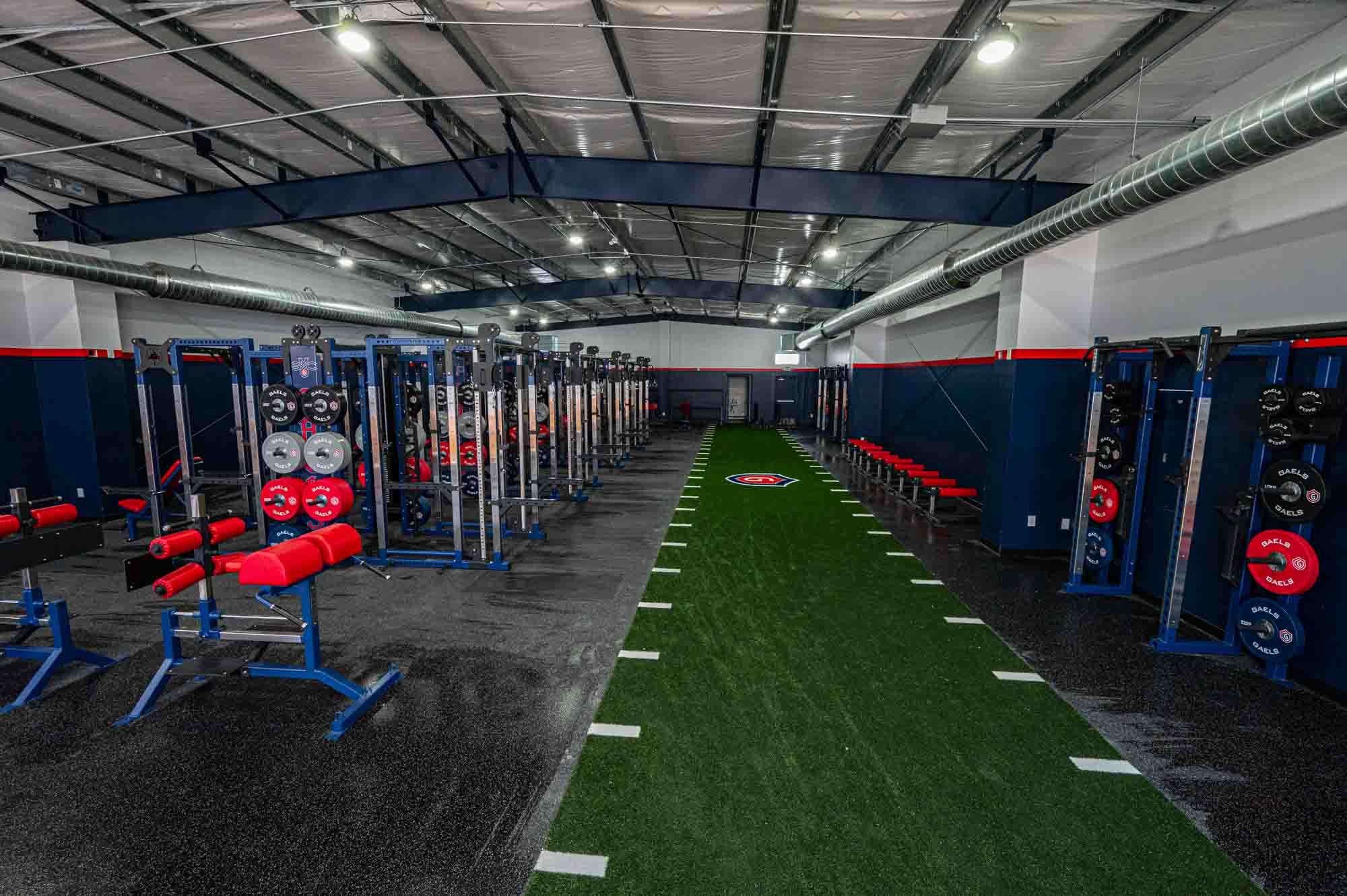
It looks great. I can't tell you how many people I've had come in saying they can't believe it looks just like the renderings they made.
Zach Fears
Head Strength & Conditioning, Southeastern Oklahoma State University

How NCAA Division I, II, III, NAIA, and global varsity strength programs design multi-sport high-density performance centers, integrate biometric technology, and procure lifetime-warranted heavy commercial strength equipment.
Modern Collegiate Athletic Training Facilities have undergone a fundamental paradigm shift over the past decade. No longer viewed simply as utilitarian rooms filled with heavy iron, today’s university strength and conditioning spaces serve as multi-disciplinary performance centers. They operate as the heart of student-athlete development, injury risk mitigation, biomechanical optimization, and student-athlete recruitment in an increasingly competitive national landscape.
For Athletic Directors, Head Strength & Conditioning Coaches, Facility Directors, and Institutional Procurement Teams, planning a new facility or executing a multi-million-dollar renovation requires far more than selecting off-the-shelf strength units. It demands a scientific approach to spatial geometry, athlete throughput calculation, velocity-based training (VBT) hardware integration, sub-floor acoustical isolation, and long-term structural integrity capable of enduring continuous 16-hour daily usage cycles by 500+ varsity athletes across 20+ sports discipline teams.
Founded in 1976 by Dave and Linda Schroeder, Samson Equipment Inc. has spent nearly half a century engineering, building, and refining custom strength equipment specifically designed to outlast the intense demands of collegiate training environments. This master guide delivers actionable engineering insights, technical equipment specifications, procurement analysis, and strategic layout recommendations for institutional decision-makers worldwide.
Unlike commercial fitness centers where equipment experiences intermittent usage, a Division I collegiate training facility subjects rack stations and benches to constant, high-velocity dynamic impact, heavy eccentric loads, and continuous adjustments throughout the day. Standard lightweight commercial equipment (such as 14-gauge or thin 11-gauge tubing with bolted structural joints) experiences metal fatigue, structural wobble, hardware shear, and frame distortion under these conditions within 24 to 36 months.
Samson’s heavy-duty modular power racks are fabricated using heavy 3"x3" 11-gauge and 7-gauge structural steel tubing featuring fully welded gauge gusset plates, continuous seam welds, and oversized hardware connections. Backed by our Samson Lifetime Warranty, our systems eliminate structural flex, guaranteeing absolute safety for student-athletes performing max-load Olympic squats, bench presses, and explosive ballistic pulls.
When engineering high-volume Collegiate Athletic Training Facilities, architectural layout planning must prioritize safety, coach line-of-sight visibility, clear traffic flow corridors, and station density. Below are the key geometric parameters specified by Samson’s 2D/3D CAD design team for optimal facility efficiency:
To maximize training versatility across diverse varsity sports—ranging from football, basketball, and track & field to swimming, gymnastics, and rowing—collegiate facility packages must balance multi-station multi-planar functionality with zero-maintenance reliability. Below are Samson’s core recommended equipment categories engineered for institutional programs:
The rack station is the foundation of any collegiate athletic facility. Samson’s Flex Rack Series and Custom Double-Sided Half Racks allow two athletes to train simultaneously at a single footprint, effectively doubling room capacity without sacrificing training volume.
Standard commercial benches often fail at the adjustment mechanisms under heavy collegiate usage. Samson’s Institutional Weight Benches feature laser-cut adjustment ladders, heavy-duty pop-pins, commercial high-density vinyl upholstery with wear-resistant backing, and integrated rear transport wheels for effortless rack docking.
Auxiliary movement development, rotational core strengthening, and post-injury rehabilitation require smooth, low-inertia cable resistance systems. Samson integrates space-saving dual 200lb/300lb selectorized weight stacks directly into custom power rack uprights or stand-alone perimeter cable suites.
Visual branding plays a critical role in student-athlete recruitment and team culture. Samson manufactures custom-branded urethane bumper plates, hard-chrome Olympic barbells, custom logo rack headers, and modular 3-tier horizontal dumbbell racks that organize weight rooms while showcasing institutional pride.
| Equipment Category | Samson Heavy Engineering Standard | Institutional Program Advantage |
|---|---|---|
| Modular Power Racks | 3"x3" 11-Gauge USA Steel, Welded Gussets, Laser Numbering | Maximal structural stability, zero frame twist under 1,000+ lb static/dynamic loading. |
| Olympic Drop Platforms | Tongue-and-Groove Hard Maple Wood Center, 3/4" High-Density Rubber Impact Sides | Absorbs heavy dropped loads, dampens decibels, protects subfloor concrete slabs. |
| Adjustable Benches | Heavy 2"x3" Frame Steel, Laser-Cut Ladder System, Commercial Vinyl | Eliminates upholstery tearing, rapid angle changes, zero mechanical slope failure. |
| Selectorized Cable Systems | Aircraft-Grade Steel Cables (4,200 lb breaking strength), Sealed Ball Bearings | Ultra-smooth resistance curve, minimal cable friction, long service life. |
| Custom Storage Arrays | Heavy Plate-Loaded Storage Pegs, Integrated Barbell Sleeves, Modular Shelving | Keeps training floors clear of loose equipment, optimizing athlete safety and traffic flow. |
As collegiate athletics continue to evolve, strength and conditioning directors are adopting new facility design methodologies to optimize performance outcomes and streamline equipment procurement:
Modern collegiate strength training relies heavily on real-time biometric feedback. Facilities are now designed with pre-wired power access, linear position transducer mounts, and tablet mounting brackets built directly into power racks. This allows coaches to track barbell speed, peak power output, and bar path metrics instantaneously during squat, bench, and clean movements.
With universities balancing facility usage across multiple sports teams (e.g., Football lifting at 6:00 AM, Women's Soccer at 8:00 AM, Track & Field at 10:00 AM), training stations must adapt rapidly. Multi-functional racks equipped with quick-attach band pegs, adjustable spotter arms, drop-in landmines, and multi-height pull-up options allow coaches to switch training modalities in seconds.
Public state universities and community colleges often face complex, time-consuming formal competitive bidding requirements when procuring capital equipment. By leveraging cooperative purchasing organizations such as OMNIA Partners, public institutions can legally bypass lengthly bid cycles and purchase Samson’s American-made strength equipment directly under pre-negotiated, competitive contract pricing.
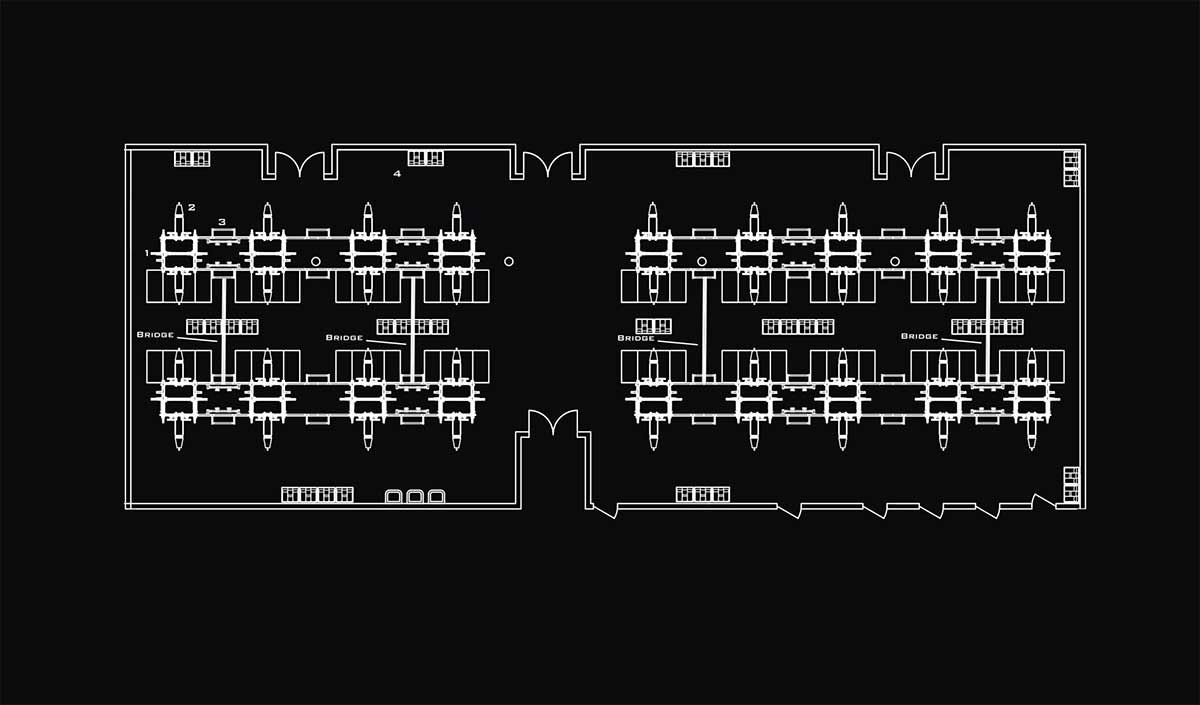
Choosing Samson Equipment as your manufacturing partner for a Collegiate Athletic Training Facility provides distinct competitive advantages backed by half a century of proven industry experience:
Connect directly with our institutional design engineering team to discuss spatial planning, structural custom options, and budget proposals.
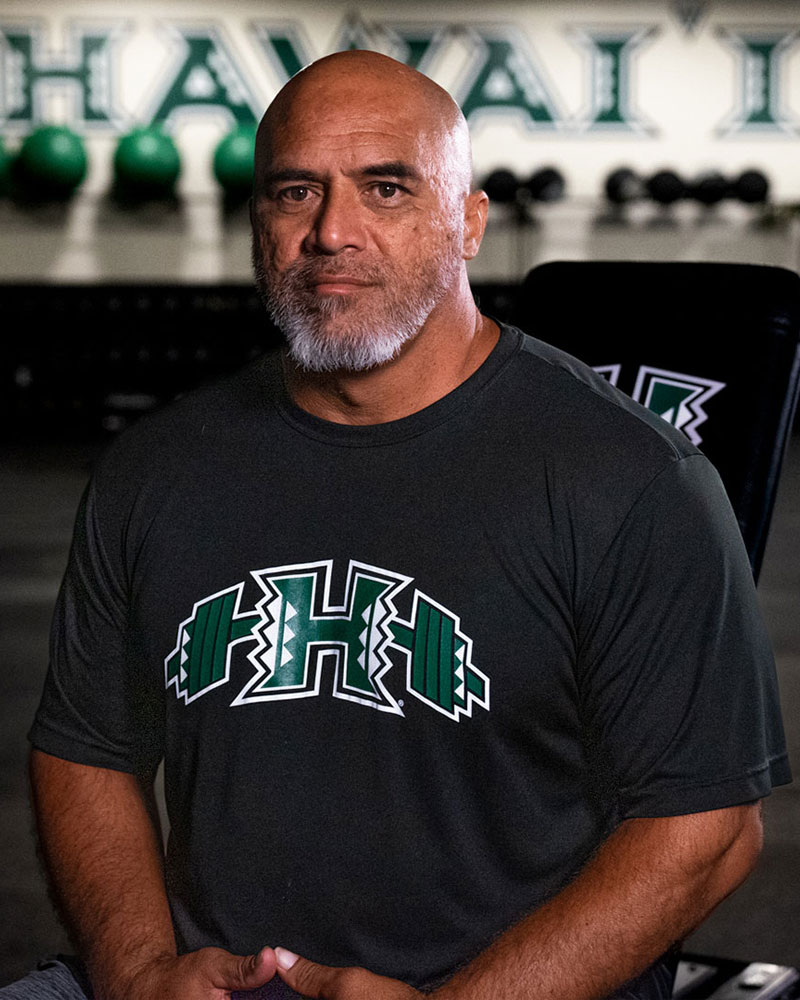
Get a QuoteIt looks great. I can't tell you how many people I've had come in saying they can't believe it looks just like the renderings they made.
It's actually better than the setup I had in college. We basically have the building essentials for improving kids' athletics and injury prevention.







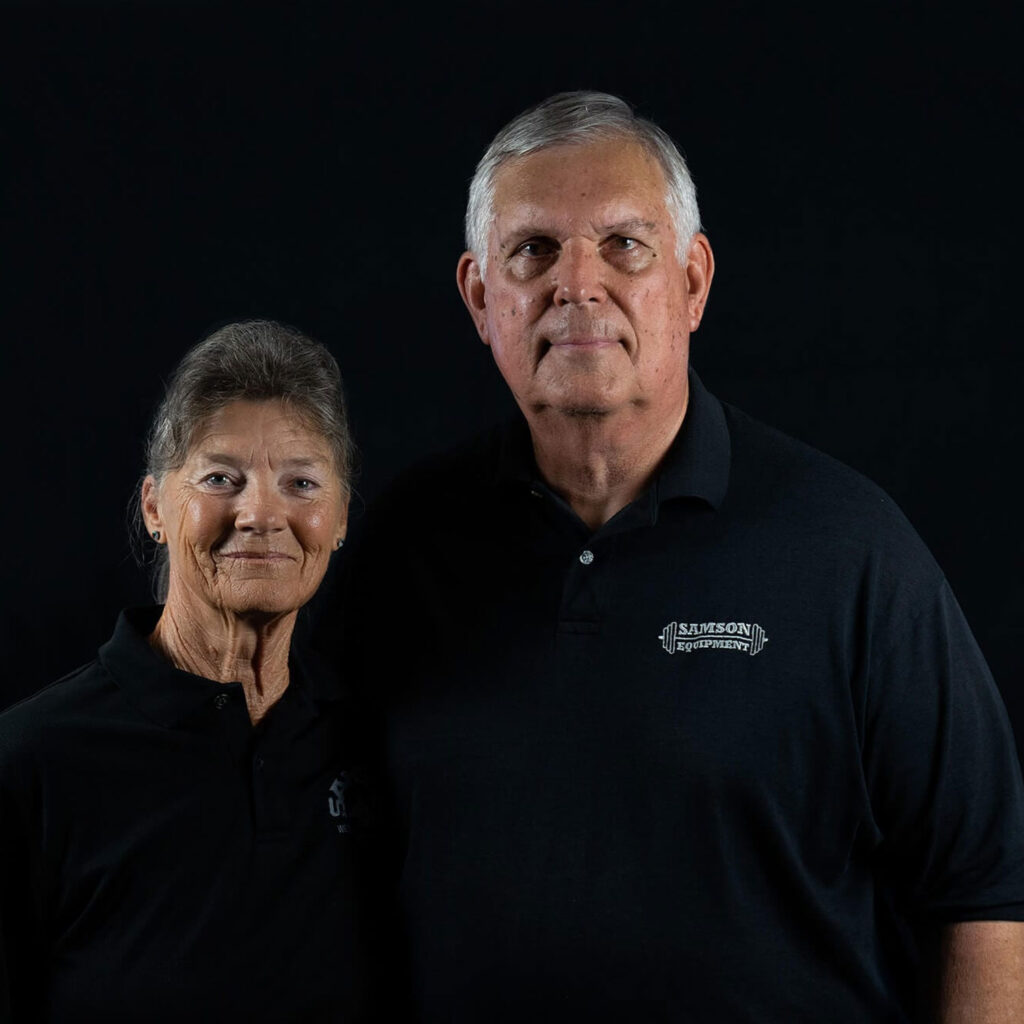
For five decades, Samson has engineered strength equipment alongside legendary collegiate coaches. Here is how our history guarantees performance for your institution.
Founded in 1976, Samson builds heavy commercial equipment in the USA designed to withstand decades of non-stop team usage.
Every J-cup radius, safety bar catch, and rack gusset is engineered based on direct feedback from working NCAA strength coordinators.
Our structural steel frames and solid weldments carry a lifetime warranty, offering complete risk mitigation for institutional budgets.
Simplifying procurement for state universities, community colleges, and public schools through streamlined contract purchasing.
Comprehensive technical answers for Athletic Directors, Project Managers, and Procurement Officers evaluating Collegiate Athletic Training Facilities equipment.
Samson utilizes prime American-made heavy 3" x 3" 11-gauge and 7-gauge structural steel tubing for uprights and primary load-bearing members. All stress joints feature 1/4" laser-cut gusset plates welded continuously along the seam. This heavy industrial construction ensures zero frame distortion and absolute athlete safety under max dynamic loading environments common in Division I training facilities.
Initial 2D/3D CAD spatial design mockups are produced within 3 to 5 business days after receiving architectural facility floorplans. Once equipment specifications, color powder coating, and logo graphics are finalized and approved, manufacturing lead times typically range between 6 to 10 weeks depending on order scope and seasonal production volume.
Samson Equipment holds an active cooperative purchasing contract with OMNIA Partners. Eligible public universities, state colleges, and secondary schools can utilize this contract to purchase custom strength packages directly without issuing lengthy formal public RFPs or competitive bids, saving weeks of administrative overhead while securing pre-negotiated volume pricing.
Yes. Samson frequently outfits collegiate and elite athletic performance centers worldwide. We handle containerized international ocean freight, customs export documentation, freight staging, and white-glove professional installation teams experienced in anchoring racks and embedding platform flooring systems.
Customization is built into our core manufacturing process. Frame finishes are electrostatic thermoset powder-coated to match precise Pantone athletic brand colors. Custom laser-cut steel header plates, branded rubber platform drop zones, and embroidered bench upholstery are produced in-house during fabrication.
All structural frame welds, main upright columns, and structural steel assemblies manufactured by Samson Equipment are backed by the Samson Lifetime Warranty. Moving parts, cables, pulleys, and upholstery are covered under our institutional commercial warranty program.
Follow this standardized framework to ensure your facility design meeting with Samson is productive, fast, and aligned with institutional budgetary requirements.
Samson Equipment’s contract with OMNIA Partners streamlines capital procurement for public universities, secondary schools, and municipalities across North America.
Supply DWG/CAD files or measured room dimensions including doors, pillars, and finished ceiling heights.
Define peak student-athlete squad numbers per training block to calculate total required rack stations.
Identify sport-specific training requirements (e.g., Olympic lifting platforms, VBT mounts, cable columns).
Share university vector logos and color specifications for custom powder-coating and header plates.
Evaluate building slab thickness and floor level to determine rubber tile and drop platform depth.
Determine purchasing pathway (OMNIA Partners contract vs. direct purchase order) and installation target date.
Transform your institution's strength and conditioning vision into a 3D CAD rendering backed by half a century of American manufacturing excellence.