Top Trusted Rubber Gym Flooring Manufacturers & Factories serving Bangkok

Heavy-Duty Commercial Grade • High Impact Mitigation • Direct Factory Procurement

Engineered Fitness Equipment & Commercial Flooring

Explore our elite inventory of commercial-grade weightlifting machinery, heavy-duty storage racks, plyometric modules, and acoustic rubber gym flooring tailored for Bangkok's premier fitness hubs.
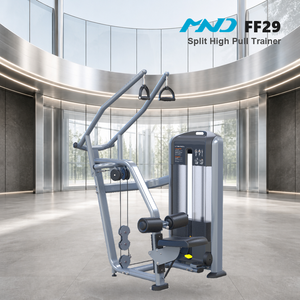
Commercial Split High Pull Trainer Gym Equipment MND FF29

Commercial Split High Pull Trainer Gym Equipment Fitness MND FF29 Gym Strength Equipment for Institutional Gym Commercial Grade

XZH Sport Exercise Soft Jump Box 3 in 1 Plyometric Box

XZH Sport Exercise Soft Jump Box Strength Training 3 in 1 Jump Exercise Training Box Plyometric Box

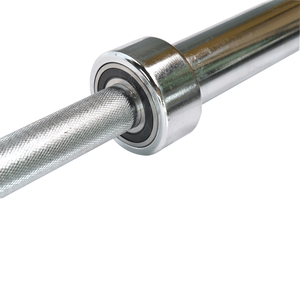
JOINFIT Premium Weightlifting Barbell

JOINFIT Premium Quality Men's Women's Power Weightlifting 1000LB 1500LB Barbell

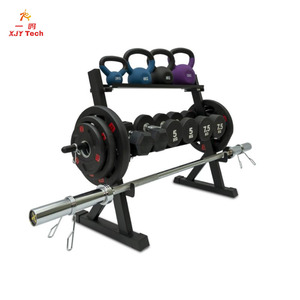
Heavy Duty Dumbbell Rack Storage Stand

Heavy Duty Dumbbell Rack With Kettlebell & Barbell Storage, Steel Fitness Equipment Organizer Stand For Commercial Home Gym

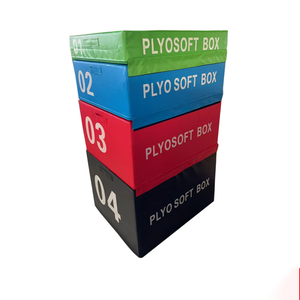
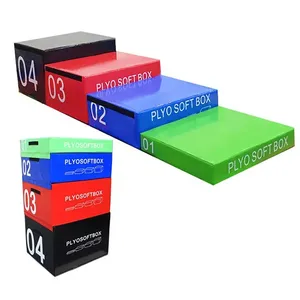
4 In 1 Soft Foam Plyometric Box

4 In 1 Gym Training Equipment For Adults And Kids Plyometric Boxes Made Of Soft Foam

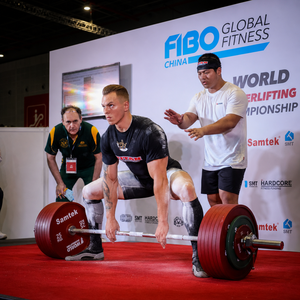
Samtek Competition Powerlifting Barbell

Samtek Competition Powerlifting Bar Stainless Steel Barbell for Strength Training and Weightlifting

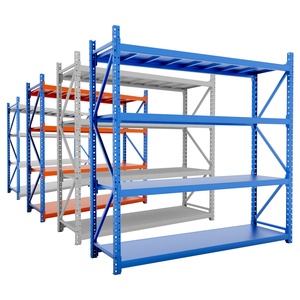
Medium Heavy Duty Pallet Racking System

Factory Direct 4-Layer 800kg Medium Heavy Duty Pallet Racking System Steel Adjustable Longspan Warehouse Storage Pallet Racks

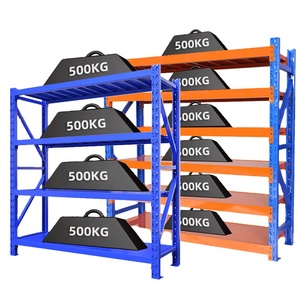
Heavy Duty Load-Bearing Storage Stacking Rack

Full Container Export Heavy Duty Load-Bearing Multifuncional Warehouse Steel Boltless Storage Stacking Rack & Shelves

50+
Years Industry Heritage (Since 1976)
ΔLw 24dB
Acoustic Impact Sound Reduction
100%
Form E Duty-Free ACFTA Eligible
Shore 65A
High-Density Vulcanized Elastomer

Technical Whitepaper: Sourcing High-Impact Commercial Rubber Gym Flooring in Bangkok

Selecting enterprise-grade rubber gym flooring for commercial fitness centers, high-rise luxury condominium gyms, and combat sports facilities in Bangkok requires a nuanced understanding of material physics, acoustic dampening, ambient thermal stability, and regional supply chain logistics. As the fitness industry in Thailand shifts toward functional hypertrophy, heavy powerlifting, and high-intensity interval training (HIIT), property developers, facility directors, and commercial gym owners face unprecedented operational challenges regarding subfloor structural damage, vibration transfer across multi-story buildings, and humidity-induced adhesive degradation.

This technical guide establishes an authoritative framework for evaluating rubber flooring manufacturers and direct factory suppliers catering to the Greater Bangkok Metropolitan Region (inclusive of Sukhumvit, Silom, Sathorn, Bang Na, and Rama 9 commercial zones). By focusing on Information Gain parameters—such as vulcanization density metrics, Shore A hardness ratings, volatile organic compound (VOC) off-gassing standards, and ASEAN-China Free Trade Area (ACFTA) Form E customs optimization—procurement managers can mitigate long-term capital expenditure risks while ensuring compliance with international safety and acoustic regulations.

Key Information Gain Benchmark: Standard residential-grade rubber tiles (density < 900 kg/m³) suffer from rapid micro-fissuring and elastomer compression fatigue under heavy barbell drops (>150 kg). Professional commercial installations in Bangkok demand high-density sulfur-vulcanized rubber tiles exceeding 1,150 kg/m³ with a tensile strength ≥ 4.5 MPa.

Material Science: SBR vs. EPDM Polymer Architecture

Rubber gym flooring is primarily manufactured using two elastomeric compounds: Styrene-Butadiene Rubber (SBR) derived from recycled tire buffings and Ethylene Propylene Diene Monomer (EPDM) synthetic virgin rubber. The structural performance of gym tiles in tropical climates depends on the polymer binding process:

  • High-Density SBR Base Cores: Serves as the primary shock-absorption matrix. Heavy-duty tiles incorporate coarse SBR granules (1–3 mm particle size) bonded under high pressure with premium MDI (Methylene Diphenyl Diisocyanate) polyurethane binders. Unlike low-cost TDI binders, MDI binders are non-toxic, solvent-free, and remain chemically stable under high humidity.
  • EPDM Wear Layers: Premium commercial tiles utilize a 2mm to 4mm dense top layer of virgin EPDM granules. EPDM provides superior UV resistance, color stability, and non-porous surface characteristics, making it imperative for Bangkok rooftop gyms exposed to solar radiation and rain.
  • Sulfur Vulcanization vs. Cold Pressing: Cold-pressed tiles tend to shed surface granules (crystallization) over 12–18 months of intensive footwear friction. Fully vulcanized hot-pressed rubber tiles undergo thermal curing at 160°C under 400 tons of hydraulic pressure, resulting in an impenetrable physical bond that resists heavy point-loading from dumbbell racks and power cages.

Acoustic Decibel Isolation

Attenuates structural vibration transfer up to ΔLw 24dB, preventing noise complaints in high-rise condominium complexes and mixed-use commercial towers.

Microbial & Mold Defense

Formulated with closed-cell antimicrobial additives engineered to prevent mold, mildew, and bacterial growth in humid Southeast Asian microclimates.

Subfloor Structural Protection

Distributes kinetic force vectors across a 60–65 Shore A hardness elastomer network, preventing concrete slab pitting under max-effort drops.

Engineering Specification Comparison Matrix

To assist structural engineers, interior architects, and procurement officers, the following matrix contrasts standard commercial rubber flooring grades against specialized heavy-duty solutions:

Performance Parameter Standard Commercial Grade Heavy-Duty Powerlifting Grade Acoustic Multi-Layer Interlocking
Tile Thickness Range 15mm – 20mm 25mm – 50mm 30mm – 45mm (Air-Gap Underlay)
Vulcanized Density 950 – 1,000 kg/m³ 1,150 – 1,250 kg/m³ 1,100 kg/m³
Shore A Hardness 55A ± 5 65A ± 5 60A ± 5
Impact Sound Reduction (ΔLw) 12 dB – 15 dB 18 dB – 22 dB 24 dB – 28 dB
Tensile Strength (ISO 37) ≥ 2.5 MPa ≥ 4.8 MPa ≥ 4.0 MPa
VOC Off-gassing (ISO 16000) Class B (Low smell) Class A (Zero toxic VOC) Class A (Low-odor indoor certified)
Primary Application General Cardio / Machine Areas Free Weights / Deadlift Platforms High-Rise Condominiums / Sukhumvit Gyms

Localized Application Scenarios across Greater Bangkok

Bangkok presents a unique urban architecture dominated by high-density residential towers, flagship commercial shopping malls (such as CentralwOrld, Siam Paragon, and EmSphere), multi-story shophouses, and semi-open air athletic hubs. Installing commercial rubber gym flooring in this region demands targeted engineering adjustments:

1. Sukhumvit & Silom High-Rise Condominium Fitness Centers

High-rise residential developments in Sukhumvit (Asok, Phrom Phong, Thong Lor) and the Silom/Sathorn financial district operate under strict building acoustic codes. Weight drop vibrations transmit rapidly through reinforced concrete slabs, radiating low-frequency structure-borne noise to residential units directly below.

Engineering Solution: Installation of 30mm to 45mm dual-density interlocking rubber tiles featuring a waffle-molded acoustic underside. The air channels engineered beneath the tile act as physical vibration isolators, reducing structure-borne noise transfer by up to 26 dB and protecting property values.

2. Commercial Muay Thai Training Camps & Hybrid Combat Gyms

Thailand's world-renowned Muay Thai legacy has evolved into modern hybrid training facilities combining traditional striking rings with heavy barbell power stations and kettlebell conditioning zones (e.g., in districts like Lat Phrao, RCA, and On Nut). These environments experience high foot traffic, bare-foot contact, heavy perspiration, and aggressive lateral force movements.

Engineering Solution: High-density, fine-grain SBR rubber mats treated with anti-bacterial closed-cell polyurethane coatings. The seamless interlocking mechanism prevents sweat accumulation within subfloor seams, eliminating odor development and subfloor moisture entrapment in tropical conditions.

3. Hotel Rooftop Gyms & Open-Air Resort Fitness Decks

Luxury hospitality brands along the Chao Phraya River and central Bangkok feature outdoor rooftop workout zones. These areas face extreme environmental stressors: intense tropical sun radiation (UV exposure), ambient heat reaching 40°C, and flash torrential downpours during the monsoon season (May to October).

Engineering Solution: Fully vulcanized EPDM rubber tiles formulated with specialized UV-stabilizers and hydrophobic binders. Integrated drainage channels beneath the tiles ensure instant water evacuation, preventing pooling and hydroplaning hazards during rainstorms.

4. International School Sports Complexes & University Gyms

Institutional facilities such as international schools in Bang Na and Pathum Thani require multi-purpose indoor athletic surfaces capable of supporting heavy strength equipment, retractable bleachers, and high-volume student traffic.

Engineering Solution: Roll-out seamless rubber flooring (6mm to 10mm thickness) heat-welded at the seams. This provides a continuous, slip-resistant surface that complies with EN 14904 sports flooring standards for shock absorption and vertical deformation.

Localized Trends & Supply Chain Logistics for Thailand Procurement

Navigating the rubber flooring supply chain into Bangkok involves understanding key economic drivers, environmental certifications, and port clearance procedures:

1. The Wellness & Health Tourism Expansion

Bangkok is recognized as a global wellness hub. Commercial health clubs are upgrading their interior architecture to meet premium international aesthetic standards. Facilities are moving away from plain black rubber tiles toward custom EPDM color fleck variations (15% to 50% color density) and branded inlaid logo mats to amplify visual branding on social media platforms.

2. Green Building Compliance: LEED & WELL Standards

Modern commercial tower developments in Bangkok (e.g., One Bangkok, Dusit Central Park) require interior construction materials to meet LEED v4 and WELL Building Standard criteria. Rubber gym flooring must be certified for ultra-low chemical emissions (FloorScore® or GREENGUARD Gold) to maintain healthy indoor air quality within air-conditioned, sealed building environments.

3. Logistics Optimization: ACFTA Form E Tariff Elimination

Procuring commercial rubber gym flooring directly from manufacturing hubs in East Asia into Thailand presents substantial cost benefits under the ASEAN-China Free Trade Area (ACFTA).

By issuing a valid Form E Certificate of Origin, importers in Bangkok can qualify for 0% preferential import duty rates (exempting the standard 20-30% general tariff), paying only the standard 7% Thai Value Added Tax (VAT). Shipments entering via Laem Chabang Deep Sea Port or Klong Toey (Bangkok) Port can be cleared rapidly through Thai Customs when documentation is correctly managed by factory export teams.
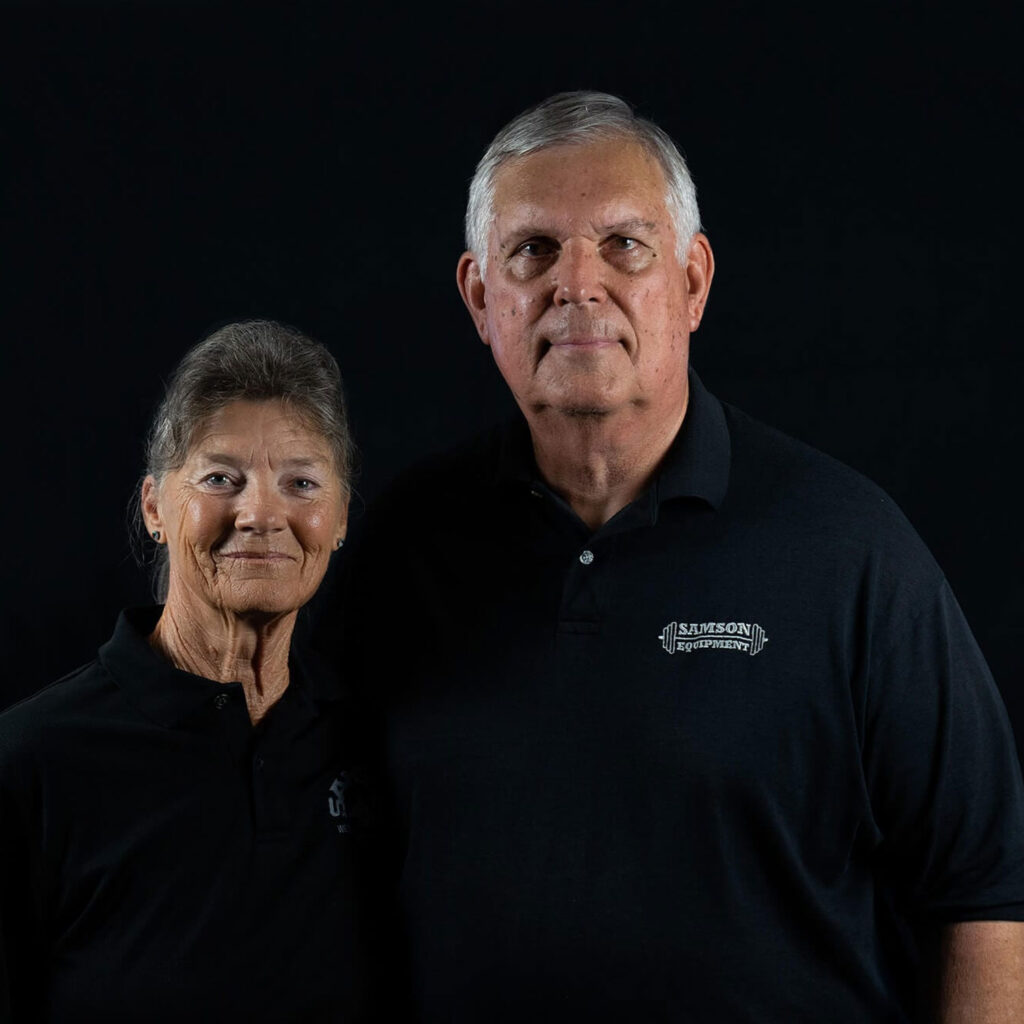
Dave and Linda Schroeder, Samson Equipment Founders

50 Years of Engineering Heritage (1976 – 2026)

Founded by Dave & Linda Schroeder in 1976, Samson Equipment Inc. has set the global benchmark for institutional weight room equipment, heavy-duty power racks, custom storage units, and high-impact commercial flooring systems. For five decades, Samson has engineered strength solutions built to outlast the most demanding athletic programs across NCAA Division I, NFL, military tactical bases, and elite global commercial gyms.

When pairing custom power racks and heavy barbells with rubber flooring, structural integrity is paramount. Samson's factory engineering team works directly with Bangkok facility owners to provide integrated weight room solutions—combining precision-molded rubber platforms, heavy-gauge steel rigs, and complimentary 2D/3D CAD facility layout designs.

Consult With Our Engineering Team

Precision Integration: 3D CAD Layout & Subfloor Engineering

Installing heavy equipment such as the Commercial Split High Pull Trainer MND FF29, JOINFIT 1500LB Competition Barbells, or multi-tier Heavy Duty Dumbbell Racks onto rubber flooring requires calculated weight-distribution modeling. Placing high-tonnage racks directly over low-density rubber flooring can result in severe floor depression, tile displacement, and frame instability.
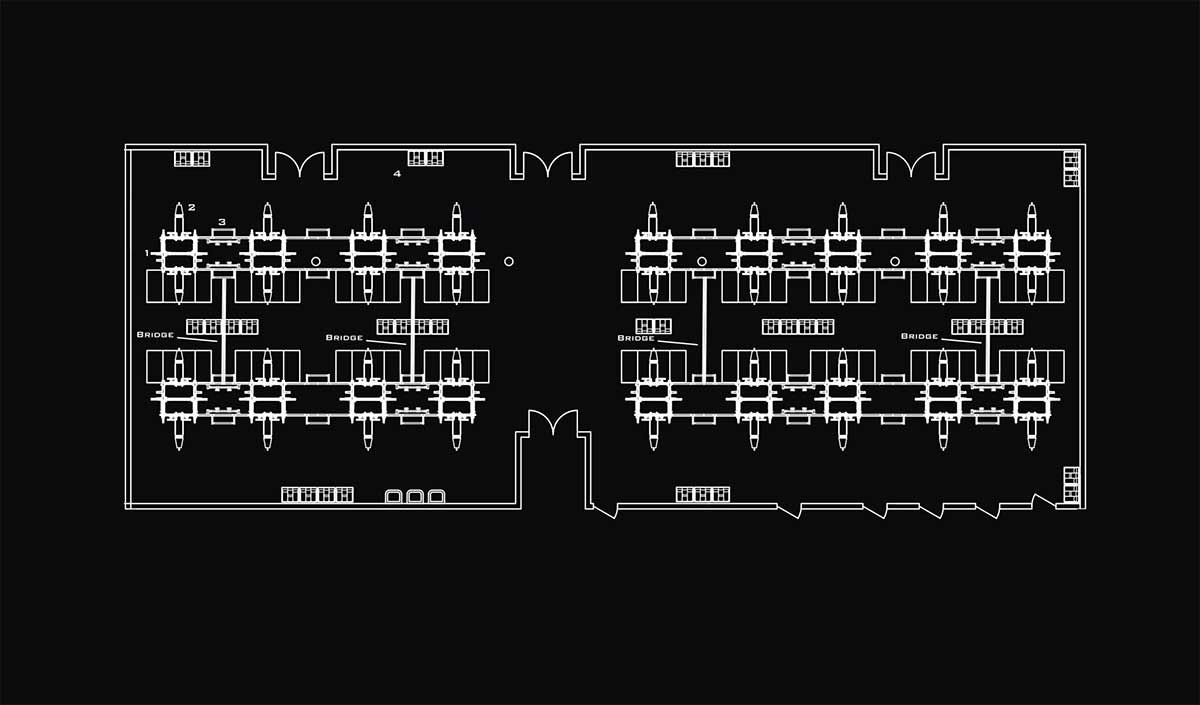
3D Weight Room Layout Design Render

Complimentary 2D/3D CAD Facility Design

Our engineering layout specialists provide full spatial planning prior to factory production. We analyze your facility's architectural CAD files to determine optimum rubber flooring thickness zones—allocating 15mm tiles for cardio zones, 25mm for selectorized machine tracks, and 45mm recessed rubber platforms for heavy Olympic lifting bays.

  • Clear Traffic Flow & Safety Zone Allocations
  • Acoustic & Weight Drop Impact Mapping
  • Branded EPDM Color Accent Integration
  • Direct Architectural Export Compatibility

Frequently Asked Questions: Purchasing Rubber Gym Flooring in Bangkok

Below are detailed answers to common technical, financial, and logistical questions raised by facility developers, athletic directors, and procurement specialists sourcing rubber gym flooring for projects in Thailand:

1. What thickness of rubber gym flooring is required for commercial strength facilities in Bangkok?

For general fitness areas, selectorized strength machines, and cardio equipment, a thickness of 15mm to 20mm is sufficient. However, for free-weight zones, dumbbell stations up to 50kg, and functional fitness areas, a minimum of 25mm is strongly recommended. For heavy powerlifting bays where barbells exceeding 150kg are dropped from overhead or rack height, 30mm to 50mm dual-layer vulcanized rubber tiles or recessed lifting platforms are mandatory to prevent concrete slab structural damage.

2. How does Bangkok's high humidity affect rubber gym flooring installation and adhesives?

Bangkok's average relative humidity often exceeds 75–80%. Standard water-based acrylic adhesives absorb ambient moisture, leading to bond failure, adhesive re-emulsification, and tile bubbling. All commercial installations must utilize two-part polyurethane (PU) adhesives applied over a fully cured concrete subfloor treated with an epoxy moisture vapor barrier (MVB) showing moisture readings below 3% (or under 5 lbs/1000 sq ft MVT rate). Interlocking tile systems with precision CNC-cut edges also minimize the need for full-surface adhesive bonding.

3. How can we ensure duty-free import of rubber flooring tiles from China to Thailand?

Under the ASEAN-China Free Trade Area (ACFTA) agreement, commercial rubber flooring (classified under HS Code 4016.91 or 4016.99) qualifies for 0% import tariff when accompanied by an official Form E Certificate of Origin issued by China Customs. Buyers only pay the standard 7% Thai Value Added Tax (VAT), which is recoverable for registered Thai corporate entities. Our factory export documentation team prepares all customs manifests, bills of lading, and Form E certificates to guarantee seamless clearance at Laem Chabang Port or Klong Toey Port.

4. How do high-density rubber tiles mitigate acoustic complaints in Sukhumvit condo gyms?

High-density vulcanized rubber tiles absorb impact kinetic energy and convert it into low-level thermal energy rather than structural sound waves. Tiles featuring a waffle-molded bottom profile create air pockets that decouple the flooring surface from the structural concrete slab. This configuration achieves an acoustic impact sound reduction rating of up to ΔLw 24dB to 28dB, effectively suppressing low-frequency vibration transfer to lower residential floors.

5. Are rubber gym tiles safe for air-conditioned indoor commercial environments (VOC emissions)?

Yes, provided they are manufactured using MDI polyurethane binders and high-grade recycled or virgin rubber cured at elevated temperatures. Inferior tiles bound with TDI (Toluene Diisocyanate) or unrefined coal-tar binders release strong sulfur odorous gases and harmful VOCs that cause headaches and eye irritation in air-conditioned spaces. Certified high-grade tiles pass EN 12149 & ISO 16000 indoor air quality tests, ensuring non-toxic, virtually odorless performance.

6. What is the difference between square edge rubber tiles and puzzle interlocking rubber tiles?

Square edge tiles require full-surface adhesive glue-down installation, creating a perfectly flat, permanent surface ideal for large commercial facilities. Puzzle interlocking tiles feature precision waterjet-cut interlocks that snap together tightly without adhesive, enabling easy DIY installation, modular replacement of damaged tiles, and clean removal for rented commercial spaces or shophouses.

7. How should commercial rubber gym flooring be cleaned and maintained in tropical environments?

Daily maintenance requires vacuuming or dry sweeping to remove loose dust and grit. Weekly mopping should be conducted using a pH-neutral cleaner (pH 7 to 9) diluted in warm water. Avoid using harsh chemical solvents, bleach, acid-based detergents, or petroleum-based cleaners, as these degrade the polyurethane binders and cause rubber discoloration. Automatic auto-scrubber machines with soft nylon brushes are recommended for large-scale gym facilities.

8. What is the expected lifespan and warranty coverage of factory-direct rubber gym flooring?

High-density sulfur-vulcanized commercial rubber tiles manufactured to 1,150 kg/m³ density typically have an operational lifespan of 8 to 12+ years under high-traffic commercial gym conditions. Direct factory warranties generally cover structural integrity, anti-delamination, and excessive wear for 5 to 10 years, backed by international standards such as ISO 9001 quality management systems.

Commercial Gym Flooring Procurement Checklist for Thailand Projects

Before issuing a Purchase Order (PO) or initiating sea freight container shipment to Bangkok, verify the following engineering and contractual milestones with your direct factory supplier:

  • Subfloor Inspection: Ensure the concrete subfloor has cured for a minimum of 28 days, with a surface level tolerance of ≤ 3mm over a 3-meter straight edge.
  • Density Verification Test: Request a laboratory test report confirming tile density (≥ 1,100 kg/m³) and Shore A hardness rating (60A–65A).
  • Fire Safety Certification: Confirm compliance with international fire retardancy standards such as EN 13501-1 Class Cfl-s1 or ASTM E648 Critical Radiant Flux tests.
  • Custom Branding Requirements: Verify if laser-cut EPDM logos or custom perimeter bevel borders are required before factory vulcanization mold setup.
  • Shipping & Customs Preparation: Ensure your freight forwarder is coordinated for container discharge at Laem Chabang (BKK01) or Klong Toey (BKK02) with pre-filed Form E documentation.

Ready to Elevate Your Bangkok Facility with Direct Factory Gym Solutions?

Consult with our commercial flooring engineers today. Receive technical data sheets, sample swatches, ACFTA Form E tariff guidance, and a complimentary 3D CAD layout for your upcoming project.

Send an Inquiry