Precision-manufactured structural hardware and high-density impact surfaces deployed across commercial installations, fitness centers, and industrial hubs throughout Osaka.

In the dense commercial ecosystem of the Osaka Metropolitan Area (Kansai Region), structural floor engineering presents a unique set of challenges. As urban development expands upward into multi-story commercial towers in districts like Umeda, Namba, and Abeno, as well as outward across reclaimed industrial port hubs in Yumeshima and Sakishima, architectural requirements demand unprecedented performance from interior surfaces. Flooring systems are no longer merely aesthetic coverings; they are critical structural components tasked with shock absorption, acoustic isolation, heavy dynamic point-load distribution, and long-term mechanical resilience.
As premier high-density flooring suppliers and exporters serving Osaka, our organization bridges decades of heavy fabrication expertise (pioneered through half a century of strength and conditioning engineering under the Samson Equipment legacy) with modern polymer vulcanization technology. High-density rubber matrix flooring—engineered with Shore A hardness ratings ranging from 65 to 85—provides the essential structural interface required to mitigate kinetic energy transfer, isolate high-frequency sound transmission in high-rise steel frame buildings, and outlast severe mechanical abrasion in high-traffic commercial environments.
Engineered for multi-story Osaka commercial facilities to eliminate low-frequency structural vibration and meet stringent Japanese Building Standard Law acoustic threshold limits.
Featuring vulcanized SBR and virgin EPDM composite matrices capable of withstanding static loads exceeding 1,500 PSI without permanent deformation or surface fatigue.
Certified flame resistant under Japanese industrial standards, ensuring compliance for subterranean transit centers, retail malls, and public institutional developments.
Architects, general contractors, and commercial developers across Osaka require flooring systems specifically engineered for localized structural conditions. Below are the primary municipal application environments where our high-density exported flooring solutions are deployed:
In high-density commercial towers where fitness facilities, corporate wellness centers, or heavy storage zones reside directly above tenant spaces, acoustic vibration transfer is a critical legal liability. Our dual-layer high-density rubber tiles feature structured waffle underlayment geometry designed to capture kinetic impact energy, reducing sound pressure levels by up to 26 dB under ISO 10140 testing.
The extensive logistics hubs serving Osaka Port require ultra-dense flooring capable of withstanding heavy material handling equipment, forklift wheel shear, and concentrated pallet loads. Our solid vulcanized rubber rolls provide anti-microbial, non-porous surfaces that resist oil degradation, dynamic point impact, and harsh chemical cleaning regimes.
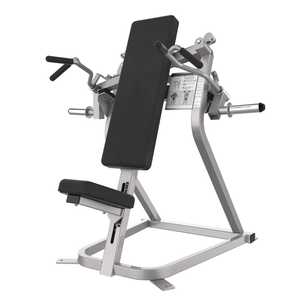
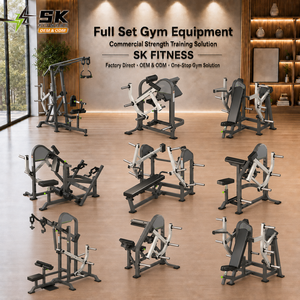
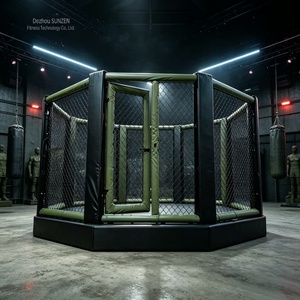
Osaka’s competitive sports legacy—ranging from municipal martial arts dojos to high-volume commercial athletic clubs—demands high-density subfloor protection under heavy equipment cages, plate-loaded strength stations, and dumbbell drop zones. Interlocking high-density tiles eliminate seam separation during multi-directional rotational forces.
Procurement dynamics within the Kansai region have evolved rapidly, driven by three major structural shifts in municipal purchasing guidelines:
1. Eco-Labeling and Low-VOC Decarbonization Mandates: Japan’s Green Purchasing Law (Green Purchasing Act) requires public sector developments and forward-thinking commercial property owners to source building materials with high post-consumer recycled content and near-zero Volatile Organic Compound (VOC) emissions. Our high-density flooring lines utilize sulfur-cured recycled polymer matrices bonded with non-toxic polyurethane binders, earning indoor air quality certifications accepted by Japanese municipal auditors.
2. Base-Isolation & Seismic Impact Dampening Integration: Given Japan’s continuous commitment to earthquake engineering, interior flooring materials in Osaka are increasingly evaluated for their subfloor friction retention and seismic dampening characteristics. High-density rubber underlayments provide an additional passive energy dissipation layer that prevents heavy unanchored equipment from skidding across polished concrete during seismic activity.
3. Direct Containerized Export Efficiency via Osaka Port (Nanko): Osaka-based procurement teams prioritize supply chain reliability. By shipping directly into the Port of Osaka (Nanko Container Terminal) or nearby Kobe Port, we streamline international freight logistics, offering DDP (Delivered Duty Paid) transparency, standardized palletization designed for Japanese container un-stuffing protocols, and short lead times.
To assist Osaka structural engineers and architectural specifiers in selecting the optimal surface composite, the following matrix compares High-Density Vulcanized Rubber against alternative commercial flooring materials:
| Performance Specification | High-Density Vulcanized Rubber | Standard Low-Density EVA | Cast Polyurethane Coating | Commercial PVC Vinyl |
|---|---|---|---|---|
| Shore Hardness Rating | Shore A 75 – 85 (Ultra-Dense) | Shore C 45 – 55 (Soft) | Shore D 60 (Rigid) | Shore A 90 (Semi-Rigid) |
| Static Load Capacity (PSI) | > 1,500 PSI | < 250 PSI | > 2,000 PSI | < 800 PSI |
| Impact Energy Attenuation | Superior (High Absorption) | Moderate (Deforms Easily) | Poor (Cracks Slab) | Low (Minimal Absorption) |
| Acoustic Isolation (Δ Lw) | 22 dB – 28 dB Reduction | 12 dB Reduction | < 5 dB Reduction | 8 dB Reduction |
| Abrasion & Shear Resistance | Maximum (Heavy Forklift/Drop) | Poor (Tears Quickly) | High (Scratches Easily) | Moderate (Surface Scuffs) |
| JIS A 1322 Fire Rating | Pass (Class 1 Retardant) | Fail (Combustible) | Varies by Topcoat | Pass (Toxic Fumes) |
Founded on a legacy dating back to 1976, our manufacturing philosophy is rooted in industrial structural integrity. While off-the-shelf catalog products are mass-produced with cheap fillers, our high-density rubber matrix products are manufactured under strict hydrostatic press vulcanization processes. This ensures uniform mass density throughout every square millimeter of material, eliminating weak pockets or soft spots.
Our engineering division provides complete visual layout support, complimentary CAD structural planning, and customized density configurations tailored specifically for commercial projects in Osaka. Whether you are building an elite multi-station sports complex, an industrial logistics depot, or a high-traffic subterranean retail hub, our enterprise solutions guarantee structural outperformance backed by lifetime structural backing.
Custom edge beveling, interlock machining, and thickness tolerances within ±0.3mm to ensure flawless flush fitment across tens of thousands of square meters.
Send your Osaka site blueprints to receive complimentary 2D/3D traffic flow, load distribution, and acoustic zoning layout mockups prior to procurement.
Dedicated international freight coordination offering ocean container optimization, moisture-sealed export packaging, and Kansai customs documentation support.
Technical and logistical insights addressing common inquiries from Japanese architectural firms, general contractors, and commercial facility buyers.
Multi-story commercial structures in Osaka—often constructed with heavy steel frame (S-structure) or reinforced concrete (RC-structure)—act as acoustic conductors for impact sound. Standard thin vinyl or low-density foam allows kinetic energy from heavy equipment drops or footsteps to transfer into the floor slab as low-frequency structure-borne noise. High-density vulcanized rubber (Shore A 75+) converts kinetic energy into micro-thermal energy within its elastic matrix, drastically reducing vibration transmission to adjacent floor levels and ensuring compliance with local Japanese acoustic nuisance regulations.
We coordinate containerized export directly into the Port of Osaka (Nanko) or Kobe Port. Materials are packed in heavy-duty, heat-treated wooden pallets sealed with waterproof VCI shrink wrap to prevent ocean freight moisture ingress. From the port, we work with local Japanese logistics partners who manage drayage directly to urban job sites, accommodating narrow street access in historical Osaka districts via tail-lift trucks if necessary.
Yes. Our high-density flooring formulations are tested to meet Japanese industrial standards, including JIS A 1322 fire resistance requirements for commercial interior finishes. Furthermore, our products are low-VOC emitted, free of hazardous phthalates, and comply with Japanese Green Purchasing Law criteria for sustainable commercial construction.
High-density vulcanized rubber possesses low thermal conductivity. While it can safely withstand operational temperatures up to 80°C without off-gassing or structural warping, radiant heat efficiency through thick rubber (over 10mm) is reduced. For subfloors with radiant heating, we recommend our specialized high-density 6mm to 8mm direct-stick roll systems using heat-stable polyurethane adhesives.
The subfloor concrete slab must be fully cured, structurally sound, clean, and level to within 3mm over a 3-meter radius. Moisture vapor emission rates (MVER) should not exceed 3 lbs per 1,000 sq ft per 24 hours (under ASTM F1869). Damp-proof membranes (DPM) or epoxy moisture barriers are recommended for basement or ground-level installations near coastal areas like Osaka Bay.
Our design team provides full visual customization. You can specify EPDM color fleck percentages (10% to 95% fleck density), molded inlaid logos, and perimeter beveling. By sharing your DWG/CAD site drawings, our layout team will construct a complimentary 3D rendering showing exact material counts, seam placements, and structural load zones before order confirmation.
