Precision-engineered strength apparatus and tactical physical development gear supplied and exported directly to Japanese institutions.
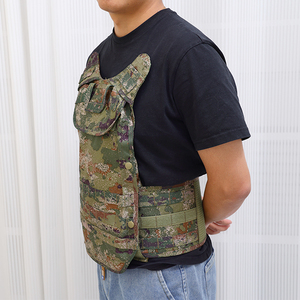
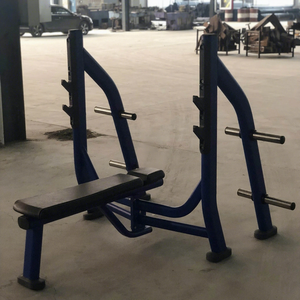
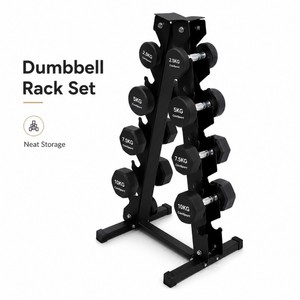
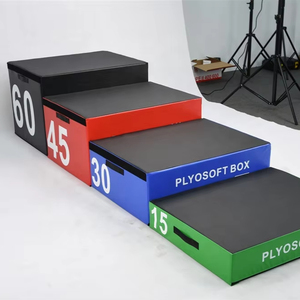
As commercial fitness centers, collegiate athletic programs, high school physical education departments, and military tactical units across Japan modernize their facilities, the demand for Commercial Flex Racks has reached an unprecedented peak. Japanese facility owners face a unique set of architectural and spatial challenges: strict structural engineering mandates, micro-space constraints in metropolitan centers such as Tokyo and Osaka, rigid seismic resilience requirements, and strict noise-mitigation protocols for multi-story commercial buildings.
As a premier global supplier and exporter of heavy-duty commercial flex power racks, our organization delivers heavy-gauge, custom-engineered modular rack systems specifically customized to meet the demanding requirements of Japanese institutional buyers. Grounded in five decades of manufacturing excellence—pioneered by Samson Equipment since 1976—our flex racks combine USA structural steel integrity with precision laser fabrication. This ensures seamless integration into Japanese training environments where maximum versatility, athlete safety, and space efficiency are paramount.
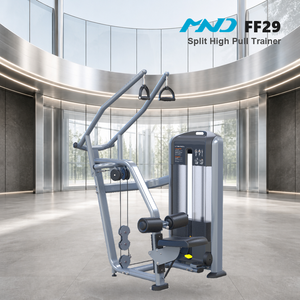
Unlike consumer-grade strength racks or static single-purpose rigs, Commercial Flex Racks are built on a modular multi-axis frame architecture. This design enables strength coaches and facility directors to convert a single footprint into a multi-functional training station. Equipped with integrated band pegs, dual-spotter platforms, jammer arms, landmine pivots, split-high pull capabilities, and multi-angle pull-up stations, these flex racks eliminate equipment redundancy while drastically increasing the athlete throughput per square meter.
In Japanese commercial real estate, structural integrity under high dynamic loads is non-negotiable. Building codes in Japan require gym flooring and structural supports to absorb intense kinetic shock without transferring vibrations to surrounding tenant spaces or compromising structural slab integrity during seismic events.
Fabricated utilizing 3" x 3" (76.2mm x 76.2mm) 11-gauge cold-rolled structural steel tubing, matching Japanese Industrial Standard (JIS G3101 STK500) tensile strength thresholds. Built to withstand continuous high-volume collegiate and tactical loads.
Custom-engineered floor anchor plates feature slotted expansion bolt apertures compatible with Japanese M16 seismic wedge anchors, certified to dissipate shear force during low-and-high frequency ground oscillations.
Integrated dense rubber drop-pads and thermoplastic polyurethane (TPU) upright shields absorb bar drops, lowering ambient decibel ratings by up to 28dB—vital for multi-story buildings in downtown Tokyo.
Customized rack configurations designed specifically for Japan’s diverse athletic, institutional, and tactical training environments.
Collegiate programs in Kanto and Kansai regions require equipment capable of handling massive squad rotation sizes within tight training windows. Commercial Flex Racks allow strength coaches to run dual-athlete stations on a single frame—one lifter performing inside the power cage while a secondary lifter performs Olympic pulls or plyometric jumps on the connected exterior platform.
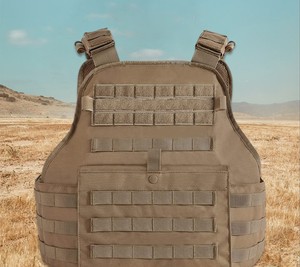
Tactical physical readiness mandates heavy load capacity and functional durability. Flex Racks exported to defense bases and police physical conditioning centers feature reinforced storage posts capable of housing weighted vests, ballistic plate carriers, heavy kettlebells, and thick-handled fat bars directly on the frame structure.
Commercial fitness chains operating in dense urban centers like Shinjuku, Shibuya, and Umeda face strict real estate costs per square foot. Flex Racks consolidate multiple single-use gym machines (such as cable crossovers, lat pulldown stations, landmines, and dip stations) into one modular footprint.
Japanese sports medicine clinics and elite golf performance training centers utilize Flex Racks for biomechanical analysis and rehabilitation protocols. Integrated velocity-based training (VBT) attachment points and micro-metric spotter pin holes allow precise tracking of force output and bar velocity.
Analyzing the macroeconomic, architectural, and operational shifts shaping commercial fitness procurement in Japan.
As we progress through 2026 and look toward 2030, the Japanese commercial strength equipment market is undergoing a structural paradigm shift. Facility buyers are moving away from cheap imported equipment in favor of high-durability, fully customizable flex rack systems. Four macro-trends define this evolving procurement landscape:
With Japanese commercial lease rates demanding maximum revenue per square meter, facility managers can no longer afford wide, spread-out floor plans. Commercial flex racks maximize vertical and lateral training space, allowing up to 4 athletes to perform distinct exercises simultaneously within a single 3m x 2.5m station.
The Japanese market has seen a rapid shift away from single-joint selectorized machine circuits toward free-weight compound movements and explosive Olympic lifts. Flex Racks act as the foundational hub, bridging the gap between heavy powerlifting, functional conditioning, and dynamic field-sport training.
Japanese municipal vibration codes have tightened significantly. Importers must supply racks configured with integrated sound-isolation rubber dampeners, urethane-coated J-cups, and vibration-absorbing platform inserts to pass local tenant association inspections in high-density commercial towers.
Direct technical comparative analysis demonstrating structural superiority for Japanese institutional procurement.
| Specification Parameter | Samson Commercial Flex Rack (Exporter Standard) | Generic Commercial Power Rack | Light-Duty Domestic Import Rack |
|---|---|---|---|
| Steel Tube Gauge & Profile | 3" x 3" (76.2mm x 76.2mm), 11-Gauge Structural Steel | 2" x 3" or 3" x 3", 12-to-14 Gauge Steel | 2" x 2", 14-to-16 Gauge Light Steel |
| Static Load Capacity | 1,500 KG (3,300+ lbs) Certified Structural Payload | 400 KG - 600 KG Maximum Limit | 200 KG - 300 KG Maximum Limit |
| JIS Seismic Anchor Compatibility | Dual slotted floor base-plates ready for M16 concrete anchors | Standard round bolt holes (no shear expansion slots) | Non-anchorable floating frame (unsafe for commercial) |
| Acoustic Sound Damping | High-density TPU J-cup linings & rubber drop pads (up to -28dB reduction) | Standard hard plastic or raw metal contact | Bare metal contact (creates severe noise bleed) |
| Height & Space Customization | Custom height options (2.1m to 2.7m) for low Japanese ceilings | Fixed standard height (often exceeds ceiling clearance) | Fixed consumer dimension (flimsy structural design) |
| Warranty Coverage | Samson Lifetime Structural Warranty | 1 to 3 Year Limited Warranty | 90-Day Parts Only Warranty |
Founded in 1976 by Dave Schroeder and Linda Schroeder, Samson Equipment Inc. has set the global benchmark for institutional weight room equipment for half a century. Unlike pop-up equipment brands that outsource design to generic overseas factories, every Samson rack is grounded in five decades of hands-on structural engineering, feedback from top-tier NCAA strength directors, and continuous field testing.
Our equipment is designed to outlast the programs it serves. When Japanese athletic directors and procurement officers partner with us, they gain decades of proven performance, backed by a legacy of uncompromised strength infrastructure.
Navigating floor space constraints in Tokyo, Yokohama, or Nagoya requires exact planning before capital allocation. We provide a complete visual design service at no added cost. Facility managers can submit exact room dimensions, ceiling heights, door clearances, and column placements to our design team.
Our engineering team generates precision CAD-exported 2D floor plans and lifelike 3D renderings. This allows stakeholders, booster boards, and corporate executives to review athlete flow, safety walkways, station zoning, color palettes, and logo placements prior to manufacturing.
Capital expenditure investments must be protected. Every Commercial Flex Rack exported to Japan carries the legendary Samson Lifetime Structural Warranty. We guarantee the structural integrity of our welds, main upright frames, base plates, and structural cross-members against structural failure under heavy training use.
This commitment offers complete peace of mind for public sector buyers, private athletic departments, and military facilities required to justify equipment longevity to government procurement auditors.
Exporting commercial fitness machinery into Japan requires streamlined international shipping logistics, customs compliance, and professional container packing to prevent transit damage. Our dedicated international export department handles all freight documentation, ocean container loading, and port delivery logistics smoothly.
Furthermore, for eligible U.S.-affiliated public sector entities, military bases (such as Yokosuka, Yokota, and Kadena), and international educational institutions operating in Japan, Samson participates as an accredited contract holder with OMNIA Partners, streamlining public procurement processes.
Addressing essential questions regarding international export, custom modifications, installation, and building code compliance.
Manufacturing and custom fabrication typically take 4 to 6 weeks depending on frame customizations and powder coat choices. International ocean freight transit from North American export hubs to major Japanese ports (Yokohama, Tokyo, Kobe, Osaka) takes approximately 14 to 22 days. Expedited air freight options are also available for urgent facility installation deadlines.
Yes. Custom height modification is one of our primary core advantages. Standard commercial rack heights (2.4m - 2.7m) often exceed low ceiling clearances in older Japanese buildings or basement floors. Our fabrication team routinely manufactures custom upright heights (e.g., 2.1m or 2.25m) without sacrificing structural rigidity, attachment compatibility, or safety pin functionality.
Every flex rack base plate features heavy-duty slotted bolt holes designed to accommodate M16 heavy-duty concrete expansion or epoxy anchors. When installed over rubber flooring onto concrete floor slabs, these anchors meet Japanese structural shear-force requirements, preventing equipment movement during seismic activity.
Absolutely. Flexible product customization is built into every project. We offer dual-stage electrostatic powder coating in a wide spectrum of custom colors (matching RAL or Pantone specifications). Additionally, our high-precision CNC laser cutters can engrave your university, club, corporate, or military emblem directly into metal archways, plate gussets, and rack nameplates.
Yes. When you provide your room layout dimensions, ceiling height details, structural pillar locations, and target equipment lists, our CAD layout design team builds a full 2D floor plan and realistic 3D renderings completely free of charge. This allows administrators, coaches, and board members to evaluate traffic flow and station layouts before placing a formal order.
Samson Equipment holds active contract status through cooperative purchasing networks such as OMNIA Partners, streamlining government procurement for U.S. military installations (JSDF joint-operations, USMC, Navy, and Air Force facilities across Japan). Direct GSA and military purchase order workflows are fully supported.
Consult directly with our global engineering team today. Get your complimentary 3D layout rendering and technical export quote customized for your facility dimensions.
