
1. Global Executive Summary: The Evolution of Modular Gym Rigs in Commercial Fitness
In modern athletic performance center architecture, commercial gym design has shifted dramatically from static, single-purpose weight stations to dynamic, multi-dimensional modular gym rigs. Commercial fitness facility directors, university strength coaches, and military tactical training managers no longer evaluate fitness equipment solely on aesthetics. Procurement teams now analyze structural integrity, tensile steel strength, volumetric space efficiency, ROI per square foot, and custom modular expandability.
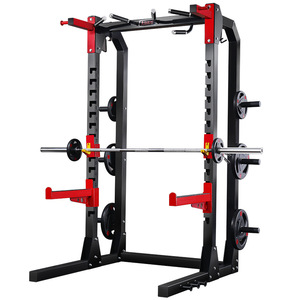
A modular gym rig serves as the structural backbone of high-intensity functional training environments, collegiate varsity weight rooms, elite cross-training boxes, and military readiness centers. By combining power lifting racks, flying pull-up bars, wall-ball targets, landmine attachments, cable crossover integration, and integrated barbell storage into a unified footprint, modular rigs allow facility operators to double athlete training throughput while dramatically lowering per-user equipment overhead.
2. Technical Engineering & Structural Manufacturing Standards
When procuring modular rigs for high-volume commercial environments, procurement officers must understand the mechanical and metallurgical properties that separate residential-grade racks from industrial-grade commercial modular systems. Assessing manufacturing quality requires evaluating four key structural pillars:
A. Steel Tube Gauge & Dimensional Profiles
The structural rigidness of a gym rig is directly proportional to the steel wall thickness and upright tube dimensions. Commercial standards require 11-gauge steel (3.0mm nominal wall thickness) formed into 3" x 3" (75mm x 75mm) structural uprights. Inferior 12-gauge (2.75mm) or 14-gauge (2.0mm) tubing is prone to structural flex under heavy eccentric loads and localized deformation when high-impact spotter arms absorb dropped barbells.
B. Laser-Cut Hole Alignment & Pin Spacing Architecture
Precision manufacturing utilizes 5-axis fiber laser cutting machines to punch attachment holes on upright tubing. Industry-leading suppliers implement Westside hole spacing (1-inch hole centers through the bench press zone, expanding to 2-inch centers for squat settings). Holes must feature laser-cut numerical keyways or etched numbering to allow athletes to adjust J-cups and safety straps in seconds without asymmetrical misalignment.
C. Robotic Welding & Structural Gusseting
Structural failure in gym rigs almost exclusively occurs at joint welds. Premium manufacturing facilities utilize full-penetration robotic MIG welding for cross-member mounting plates and base gussets. Triangle corner gussets (3/8-inch steel plate) welded to base plates eliminate swaying and axial twist, rendering wall anchors or floor bolts far more effective under dynamic pull-up dynamic sway loads.
D. Surface Finishing & Salt-Spray Powder Coating
To resist corrosion caused by ambient humidity and high-volume sweat exposure, commercial rigs undergo a multi-stage metal treatment process: shot-blasting, iron-phosphate washing, electrostatic thermosetting powder coating, and thermal curing at 200°C. OEM facilities offering 1000-hour salt-spray tested powder finishes ensure zero flaking or rust migration around high-wear pin holes.
Comparative Technical Specification Matrix: OEM Manufacturing Standards
| Specification Feature | Institutional Grade (NCAA / Military) | Commercial Gym Standard | Economy / Retail Grade |
|---|---|---|---|
| Steel Upright Profile | 3" x 3" (75x75mm) 11-Gauge Structural Carbon | 3" x 3" 11-Gauge / 2.5" x 2.5" | 2" x 2" (50x50mm) 14-Gauge Mild Steel |
| Hardware Diameter | 1-Inch (25.4mm) Grade 8 Structural Bolts | 5/8-Inch (16mm) Grade 5 Hardware | 1/2-Inch (12.7mm) Standard Hardware |
| Hole Spacing Precision | 1-Inch Laser-Cut Westside Spacing w/ Numbers | 2-Inch Standard Laser Cut Holes | Stamped Holes (Non-numbered) |
| Frame Powder Coating | Dual-Coat Thermoset Matte/Textured (1000h Salt) | Single-Coat Electrostatic Powder Coat | Basic Spray Paint / Wet Lacquer |
| Structural Rigidity Rating | Over 2,500 lbs Static Load | 1,200 – 1,500 lbs Static Load | Under 600 lbs Limit |
| Warranty Terms | Lifetime Structural Frame & Weld Coverage | 5 - 10 Year Frame Coverage | 1 Year Limited Warranty |
3. Top 10 Modular Gym Rigs Factories & Global Suppliers Review
Selecting the right manufacturing partner dictates project lead times, custom engineering responsiveness, shipping efficiency, and long-term facility durability. Below is an authoritative analysis of the world's premier modular gym rig manufacturers and OEM factories:
1. Samson Equipment Inc. (USA / Global OEM Partner)
Overview & Authority: Founded in 1976 by Dave & Linda Schroeder, Samson Equipment represents nearly 50 years of North American heavy-duty manufacturing excellence. Samson specializes in custom-built power racks, modular flex rigs, weight benches, and complete facility designs for NCAA Division I universities, NFL franchises, high schools, and military tactical units.
Manufacturing Strengths: Samson's core competitive advantage lies in its proprietary modular flex rack engineering, heavy 11-gauge steel fabrication, lifetime structural warranty, and integrated 2D/3D CAD design team. As an approved contract holder with OMNIA Partners, public sector and educational institution buyers can streamline procurement without navigating complex third-party bidding cycles.
2. Rogue Fitness (USA)
Overview: Rogue is a dominant global brand recognized for industrializing the 3x3-inch Monster and Monster Lite series modular rig systems. Their standardized pin-hole ecosystem allows wide accessory interchangeability.
Key Offerings: Wall-mounted rigs, freestanding matrix cages, and extensive attachment options including landmines, dip bars, and lever arms.
3. Eleiko (Sweden)
Overview: Internationally renowned for Olympic weightlifting barbells and competition plates, Eleiko engineers premium modular rigs designed for elite sports science institutes and professional athletic clubs.
Key Offerings: Precision Swedish steel construction, dampening platforms, and integrated bar-rest accessories with stainless steel protective inserts.
4. Sorinex Exercise Equipment (USA)
Overview: A pioneer in custom collegiate weight room installations and tactical military human performance centers, Sorinex specializes in multi-directional grid rigs and heavy storage integration.
Key Offerings: Base Camp and XL series customizable rig grids tailored for large team training sessions.
5. Hammer Strength / Life Fitness (Global)
Overview: A legacy commercial fitness equipment titan, Hammer Strength manufactures heavy HD Elite power racks and modular rig combinations engineered for commercial health clubs and professional athletic centers.
Key Offerings: Integrated plate-loaded station connectors, heavy-duty spotter decks, and custom frame color matching.
6. Damei Sports / Commercial OEM Manufacturing Hub (China)
Overview: A premier high-volume OEM/ODM manufacturing factory producing commercial strength equipment, modular power cages, bumper plates, and tactical training accessories for global export.
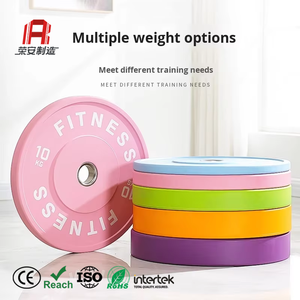
Key Offerings: Direct factory wholesale pricing, advanced CNC robotic welding lines, customizable branding, laser-etched upright logos, and fast-turnaround sample production for global brand owners.
7. Matrix Fitness (Global)
Overview: The commercial arm of Johnson Health Tech, Matrix manufactures sleek, modular training matrices designed for commercial wellness facilities and multi-family residential fitness hubs.
Key Offerings: Connexus functional training frames, space-saving wall-mounted rigs, and integrated accessory storage bays.
8. KingsBox (Europe)
Overview: A leading European manufacturer of functional training rigs and strength equipment, known for clean Scandinavian aesthetic design and European structural steel compliance.
Key Offerings: Royal and Mighty series rigs, outdoor rust-proof galvanized coating systems, and compact home-gym folding racks.
9. Torque Fitness (USA)
Overview: Focused heavily on space optimization and versatile functional fitness, Torque produces expandable wall rigs, retractable power racks, and mobile strength training systems.
Key Offerings: X-Rack and X-Create modular storage and training systems configured for boutique fitness studios.
10. Gym80 (Germany)
Overview: Renowned for German engineering precision, Gym80 produces high-end strength training machinery and modular rack frames featuring thick-walled steel tubing and ergonomic biomechanics.
Key Offerings: Custom laser-finished structural cages, plate-loaded hybrid machines, and ultra-durable upholstery options.
4. Future Sourcing & Equipment Procurement Trends (2026–2030)
As commercial fitness centers and athletic training centers adapt to changing demographic demands and functional movement modalities, equipment buyers must anticipate three major macroeconomic supply chain shifts:
A. Integration of Tactical Human Performance Modalities
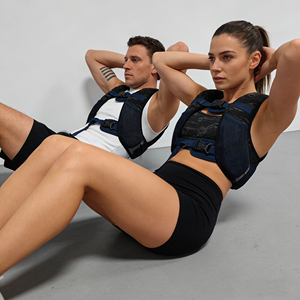
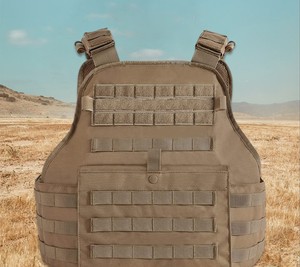
Military bases, fire academies, and tactical law enforcement programs require rigs capable of supporting weighted vest movement patterns, rope climbing, landmine rotation, and combat conditioning. Future rig designs prioritize heavy-duty top crossmembers with integrated anchor hooks for suspension trainers and climbing ropes.
B. Smart Facility Planning via 3D CAD Visualization
Distributors and facility owners no longer buy static items from paper catalogs. Modern procurement workflows demand 3D CAD rendered walk-throughs prior to order placement. Visualizing athlete traffic flow, emergency exit clearances, and natural lighting optimization eliminates spatial miscalculations and guarantees board/stakeholder approval.
C. Modular Ecosystem Standardization
Buyers are avoiding non-standard, proprietary hole patterns. Sourcing trends favor standardized 3" x 3" uprights with 1-inch or 5/8-inch laser-cut pin holes. This universal standard guarantees that attachments—such as jammer arms, cable attachments, and dip stations—can be retrofitted across different rig series for decades to come.