Direct factory manufacturing, heavy-duty alloy engineering, and custom institutional configurations.
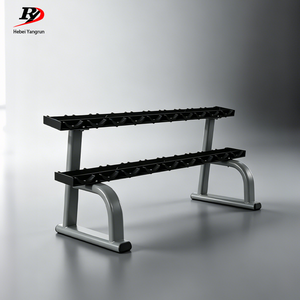
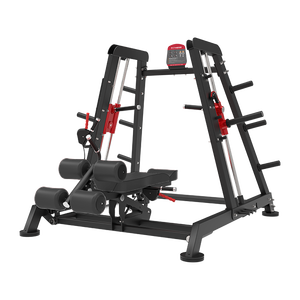
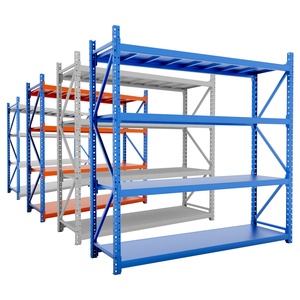
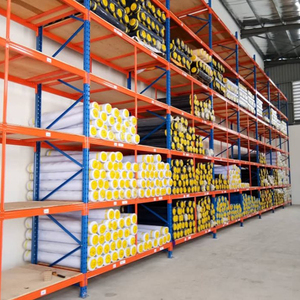
In the global commercial fitness infrastructure market, selecting the right wholesale manufacturer for commercial gym benches, strength racks, and storage solutions is a critical capital decision. Commercial weight benches serve as the core foundational workhorses of athletic performance facilities, NCAA training hubs, commercial fitness chains, high school weight rooms, and military tactical fitness centers worldwide.
Drawing from five decades of pioneer engineering experience rooted in industrial structural integrity—dating back to 1976 through our manufacturing lineage and alliance with benchmark brands like Samson Equipment—this document delivers an exhaustive technical breakdown of procurement criteria, manufacturing metallurgy, future industry trends, and strategic supplier verification protocols for B2B buyers, facility directors, and commercial importers.
Unlike light commercial equipment using 14-gauge or 16-gauge thin-wall steel (1.5mm–2.0mm), true heavy-duty commercial benches feature 11-gauge (3.0mm nominal thickness) to 7-gauge structural steel tubing. This eliminates frame flex, torsional twisting under asymmetric loading, and material fatigue over decades of continuous high-volume use.
Factory fabrication utilizes fully automated robotic double-pass MIG welding systems. Gusset plates, cross-member joints, and pop-pin sleeves undergo continuous deep-penetration seam welds to prevent structural joint shear during high-impact drop loads.
Frame finish durability is guaranteed through a multi-stage process: automated shot-blasting surface etching, iron-phosphate anti-corrosion pre-treatment, and dual-layer electrostatic thermosetting powder coat curing at 200°C. Resists sweat acidity, chipping, and salt-spray oxidation.
When procuring from China wholesale factories, understanding technical material specifications prevents premature equipment failure and legal liability in high-volume public or commercial spaces. Below is a structural benchmark matrix designed for procurement audits:
| Structural Attribute | Institutional Heavy Commercial Grade | Light Commercial / Boutique Grade | Domestic / Home Gym Grade |
|---|---|---|---|
| Tubing Thickness | 11-Gauge (3.0mm) / 7-Gauge (4.5mm) | 14-Gauge (2.0mm) | 16-Gauge to 18-Gauge (≤1.5mm) |
| Steel Alloy Standard | Q235B / Q345 Structural Steel | Standard Mild Steel | Low-Carbon Commercial Steel |
| Static Load Capacity | 1,000 LBS to 1,500 LBS (450–680 kg) | 600 LBS – 800 LBS | 300 LBS – 500 LBS |
| Pad Upholstery Spec | High-Density Rebound Molded PU Foam + Commercial Anti-Microbial PU Leather | Reconstituted Cut Sponge + Vinyl Cover | Low-Density Soft Foam + PVC Skin |
| Adjustment Mechanism | Laser-Cut Ladder Catch (7-Gauge Steel) or Spring-Loaded Pop-Pin with Zero Play | Single Friction Pop-Pin | Bolt-through or Light Bracket |
| Corrosion Testing | > 96 Hours Neutral Salt Spray (NSS) | 24-48 Hours NSS | No Salt Spray Testing |
The global commercial strength equipment industry is undergoing rapid technological and design shifts. Importers, OEM buyers, and institutional athletic buyers must align their multi-year procurement plans with the following key developments:
Standalone weight benches are increasingly giving way to modular bench systems that seamlessly lock into commercial power racks, flex racks, and Smith machines. Modern designs feature laser-etched alignment tracks, magnetic locking pins, and integrated dock connectors that ensure 100% stable center alignment during heavy press movements.
Traditional adjustable incline benches suffer from a wide gap between the seat pad and backrest when transitioned to flat position, causing lumbar discomfort and biomechanical instability during heavy bench presses. Future-ready manufacturing incorporates sliding hinge track geometry ("Zero-Gap" technology) that keeps the seat and backrest flush at all angles from -10° decline to 85° incline.
Next-generation commercial gym benches are built with embedded mounting bays for linear position transducers (LPT) and IoT sensor telemetry. Athletic performance centers require real-time tracking of bar speed, power output (Watts), and range of motion directly linked to digital strength coaching platforms.
Post-pandemic sanitation regulations and elite lifting demands have rendered cheap PVC vinyl obsolete. Advanced Chinese manufacturing facilities are adopting textured silicone-infused TPU and anti-slip high-tack synthetic leather that locks the lifter's shoulder blades in place while featuring silver-ion antimicrobial coatings resistant to MRSA, sweat degradation, and harsh chemical disinfectants.
Leading Chinese equipment suppliers are upgrading manufacturing infrastructure to meet stringent European (EN957-2) and American (ASTM F2276) commercial fitness standards. Key factory evolution trends include:
With an engineering legacy spanning back to 1976, our manufacturing philosophy revolves around one unyielding principle: building heavy-duty strength solutions designed for extreme, high-volume use. Whether outfitting an NCAA Division I training complex, a tactical military fitness unit, or a multi-location commercial gym franchise, our factory partners deliver distinct enterprise benefits:
Complete customization options including custom laser-cut brand plates, high-grade embroidered logo upholstery, custom frame powder coat matching (RAL/Pantone), and tailored rack-attachment points designed around your proprietary equipment line.
Confidence for institutional boards and financial stakeholders. All structural steel frames, robotic welds, and core load-bearing assemblies are backed by a comprehensive lifetime structural warranty commitment.
Seamless purchasing pathways for public high schools, state universities, and government facilities. Equipment designs comply with standard cooperative purchasing channels (such as OMNIA Partners contract compliance guidelines).
Visualizing equipment density, traffic flow, emergency safety clear-zones, and color schemes is crucial prior to issuing container purchase orders. Our facility layout engineering team provides complimentary CAD-exported 3D spatial renders tailored to your exact floor dimensions:
Dedicated zones for Olympic lifting, dumbbell training, selectorized machine stations, and warm-up turf to eliminate bottlenecks during peak team training sessions.
Photorealistic 3D renders showcasing your school colors, logos, and custom rack configurations to secure fast approval from boards, athletic directors, and boosters.
Direct answers to technical, commercial, and freight questions asked by B2B buyers and importers.
For true heavy commercial, institutional, or NCAA-level facilities, specify minimum 11-gauge (3.0mm nominal wall thickness) Q235B or Q345 structural steel tubing. For critical load-bearing adjustment plates and catch brackets, 7-gauge (4.5mm) laser-cut steel should be mandated. Avoid 14-gauge (2.0mm) or 16-gauge (1.5mm) steel, as these thin-wall tubes flex under heavy dumbbell or barbell loads exceeding 300 kg and suffer joint shear over time.
While factory-direct FOB prices in China are typically 40% to 60% lower than Western retail pricing, total land cost calculations must factor in: (1) Ocean freight and port handling fees, (2) Import tariffs (such as US Section 301 tariffs or EU anti-dumping duties), (3) Local drayage and destination warehousing, and (4) Assembly labor. Optimizing container space via knockdown (KD) flat-pack packaging significantly reduces per-unit ocean freight impact.
Standard OEM/ODM orders with custom powder coat colors and laser-cut brand plates typically require a minimum order quantity (MOQ) of 10 to 20 units per bench model, or a combined 20FT full container load (FCL). For established commercial partners or sample evaluations, sample production runs can be arranged with custom branding prior to mass production clearance.
Demand cold-molded high-density polyurethane (PU) foam with a minimum density rating of 120 kg/m³ to 150 kg/m³. Soft recycled block foam flattens after several months of use. Upholstery should consist of 1.2mm–1.5mm thick commercial anti-slip PU leather featuring tear resistance > 80N, anti-microbial treatment, and high hydrolysis resistance (resistant to sweat acidity and disinfectants for > 5 years).
Reputable manufacturing facilities perform two standard physical tests: (1) Static Load Testing: placing hydraulic press force equal to 1.5x to 2.0x the rated capacity (e.g., 1,000 kg static load on a 500 kg rated bench) held for 24 hours to measure permanent frame deflection; (2) Cyclic Dynamic Load Testing: applying 300 kg repeated drop force for 100,000 continuous cycles to test weld seam integrity and hinge pin wear.
Yes. Tier-1 wholesale strength equipment factories manufacture in compliance with European Standard EN 957-2 (Stationary Training Equipment - Strength Training Equipment Safety Requirements) and American ASTM F2276 standards. This includes mandatory finger-pinch zone clearance (> 25mm or < 8mm gap), non-toppling stability angles under off-center loading, and smooth radiused tubing corners.
Standard factory production lead time for a 40FT High Cube container (approx. 150-250 benches/racks depending on KD packaging) is 30 to 45 calendar days following deposit approval and CAD sign-off. Ocean transit adds approximately 14-20 days to US West Coast ports, 30-38 days to US East Coast ports, and 25-32 days to major European base ports (Hamburg/Rotterdam).
Simply click the inquiry trigger below to connect directly with our engineering sales desk. Provide your facility room dimensions (length, width, ceiling height), target user capacity per training session, desired color scheme, and product preferences. Our engineering team will supply a 2D floor plan and photorealistic 3D CAD render alongside a direct factory wholesale quotation within 48 hours.
Submit your facility dimensions or equipment procurement list. Connect directly with our engineering sales team for direct factory pricing, structural custom specifications, and complimentary 3D layout renders.