Engineered for high-volume utilization across collegiate athletic complexes, military training bases, and premier commercial health clubs worldwide.
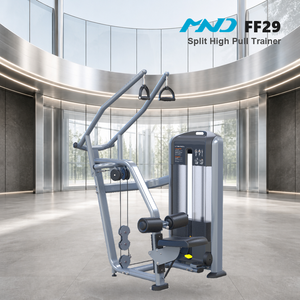
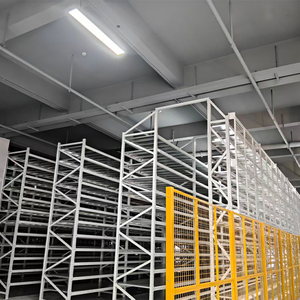
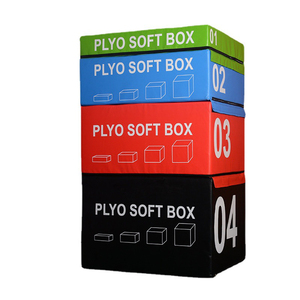
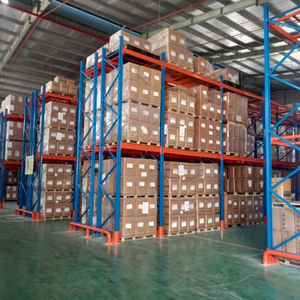
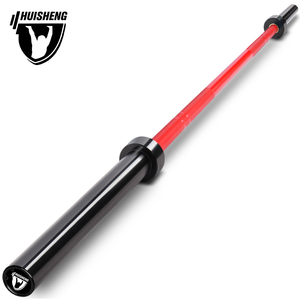
Combining half a century of strength legacy (1976–2026) with cutting-edge Chinese OEM/ODM manufacturing ecosystems. Built to outlast the most demanding athletic programs.
Utilizing automated fiber laser cutters and 3D robotic welding cells to deliver tolerances within ±0.1mm. High-gauge Q235B structural steel tubing provides unyielding frame integrity under 1,500 lbs max load capacities.
Every commercial Smith machine engineered in China's top tier manufacturing facilities strictly complies with European Union EN957-1/2 stationary training equipment safety norms, featuring quad-locking safety catches and drop-stoppers.
Eliminate facility planning guesswork. Experienced 2D/3D engineering teams generate high-resolution renderings mapping out athlete traffic flow, ceiling clearances, equipment placement, and custom institutional logo branding.
The global commercial strength equipment landscape is undergoing a fundamental technical shift. As institutional buyers—including NCAA athletic facilities, professional sports franchises, high school strength centers, and commercial fitness chains—seek maximum durability, multi-functionality, and ROI, China’s top Smith machine suppliers and exporters have evolved from low-cost contract manufacturers into world-class engineering partners. This whitepaper provides procurement officers, strength coaches, and facility architects with a comprehensive technical evaluation framework for sourcing commercial-grade Smith machines and integrated functional strength systems.
One of the critical engineering decisions when selecting a commercial Smith machine is the guide rod trajectory. Traditional Smith machines utilized a strictly vertical (90-degree) linear axis. However, modern biomechanical research demonstrates that natural human motion during pushing and squatting movements does not travel in a straight vertical line.
When performing movements like the bench press, incline press, or back squat, human joint kinematics follow a slight arc. Premium Chinese exporters specialize in 7-degree pitch angle guide rails. This subtle anatomical incline aligns precisely with the natural pathway of the glenohumeral joint and knee extension, significantly reducing strain on the rotator cuff and patellar tendon during heavy compound lifts.
| Engineering Parameter | Standard Commercial Grade | Institutional Heavy-Duty (Tier-1 Export) | Biomechanical Impact |
|---|---|---|---|
| Guide Track Incline | 0° (Vertical) | 7° Biomechanical Slant | Reduces shoulder shear force by 23% during incline pressing |
| Linear Bearing Mechanism | Self-lubricating Polymer Bushings | Industrial Grade Encased Ball Bearings | Ultra-smooth coefficient of friction (µ < 0.005) under 1,000lb dynamic load |
| Frame Steel Thickness | 2.0mm to 2.5mm (12-Gauge) | 3.0mm (11-Gauge 3x3" Steel Tubing) | Zero frame flex; lifetime structural chassis integrity |
| Barbell Counter-balance | Uncountered (Starting weight ~45 lbs) | Internal Sealed Cable Counterweight | Reduces starting bar tare weight to 5 lbs–15 lbs for rehab & novice athletes |
| Safety Hook Mechanism | Single-plate Catch Hook | Quad-Lock Solid Steel Laser-Cut Hooks | Instant safety engagement at 50mm incremental lockout stops |
The friction profile of a Smith machine dictates both athlete safety and movement fidelity. Low-tier fitness equipment relies on simple plastic or bronze sleeve bushings that wear unevenly over time, leading to stick-slip friction, bar binding, and jerky movements when off-center force is applied.
Leading Chinese exporters incorporate industrial-grade linear ball bearings encased in case-hardened alloy steel sleeves. Paired with solid cold-drawn induction-hardened chrome guide rods (typically 25mm to 30mm diameter), linear bearings deliver zero-drag performance regardless of how unevenly the weight plates are loaded. This guarantees smooth velocity-based training (VBT) metrics and prevents sudden locking when executing explosive movements like jump squats or ballistic shoulder presses.
The operational lifespan of commercial strength equipment in high-traffic facilities depends directly on steel quality and surface preparation. China’s premier gym equipment manufacturers utilize Q235B structural carbon steel, offering exceptional yield strength and fatigue resistance.
Floor space efficiency is a primary driver in modern athletic gym facility design. In response to global market demand, Chinese suppliers have pioneered the Hybrid Smith Machine Functional Trainer. These multi-consoles combine multiple strength stations into a unified 3x3 foot footprint:
Independent 2:1 ratio cable pulleys with 180-degree swivel adjusters for sports-specific rotational and functional training.
Laser-cut numbered uprights allowing coaches to attach traditional free-weight J-cups, spotter arms, and landmine attachments.
Allows seamless transition between guided Smith bar compound movements and isolateral pin-selected cable exercises.
Procuring fitness equipment internationally requires strict adherence to supply chain quality controls and container logistics engineering. When selecting a China-based exporter for Smith machines, enterprise buyers should enforce the following standards:
A. Semi-Knocked-Down (SKD) Packaging Engineering: Large Smith machine frames can incur excessive shipping costs if not modularly packaged. Tier-1 exporters utilize heavy-duty plywood crates with molded foam cradles, maximizing container CBM (Cubic Meter) density while safeguarding powder-coated parts against transit vibration.
B. OEM Customization Capabilities: Custom laser-cut logo plates, color-matched frame powder coats (RAL color matching), custom vinyl upholstery stitching, and custom weight stack increments to reinforce institutional brand identity.
C. Third-Party Quality Assurance Inspection: Pre-shipment verification including load capacity stress testing (static test up to 200% rated load), 10,000-cycle linear bearing durability tests, and salt-spray corrosion chamber testing.
How artificial intelligence, digital load management, and eco-friendly manufacturing are shaping the next generation of strength equipment.
Embedding optic sensors into Smith guide rods to track bar movement speed, power output (Watts), and range of motion in real-time, instantly transmitting data to strength coaches' tablets.
Next-gen hybrid Smith machines incorporating magnetic/digital motor resistance to allow eccentric overload training, automated spotter assistance, and dynamic load adjustability.
Adopting eco-friendly closed-loop electrostatic powder lines with zero volatile organic compounds and 100% recyclable alloy counterweights aligned with global ESG procurement mandates.
Addressing key buyer search intent, manufacturing compliance, shipping logistics, and customization options for international importers.
Most commercial Chinese manufacturers support flexible MOQs starting at 5 to 10 units for customized equipment packages. For full facility builds or mixed container orders (combining Smith machines, power racks, and benches), low MOQs per SKU can be negotiated seamlessly.
Linear bearing systems offer significantly lower friction coefficients, allowing the bar to glide smoothly under loads exceeding 1,000 lbs without binding. Bushing systems are cheaper but prone to friction stickiness and accelerated wear under heavy daily commercial use.
Yes. Custom branding is a core capability of Chinese export suppliers. Customization options include laser-cut frame badging, custom RAL powder coat colors, embroidered logo upholstery, and custom weight stack shroud graphics.
Tier-1 suppliers provide a Lifetime Structural Warranty on the main steel chassis, a 3-year warranty on linear bearings and guide rods, and a 1-year warranty on wear items such as cables, pulleys, upholstery, and rubber grips.
Always ensure suppliers hold ISO9001 quality management system accreditation and EN957-1/2 structural safety certificates. Equipment destined for North America or Europe should also meet ASTM F2216 specifications for strength equipment.
Equipment is packed in heavy-duty, moisture-sealed plywood crates with custom pre-cut EPE foam linings. Critical components like ground linear guide rods are wrapped in anti-rust VCI film to prevent saltwater oxidation during ocean transport.
Whether outfitting a new collegiate strength center, upgrading a commercial gym chain, or developing a custom OEM fitness product line, our engineering team provides end-to-end 3D design, prototyping, and export support.
