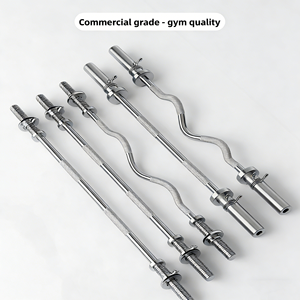
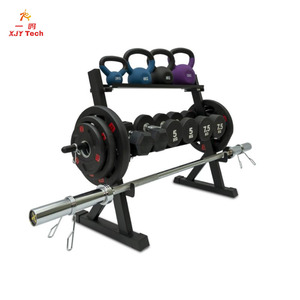
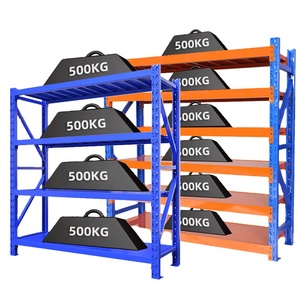
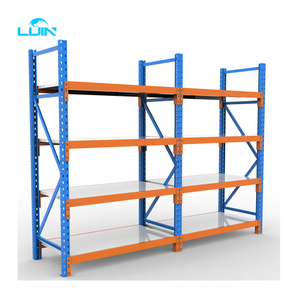
Examine our OEM/ODM heavy-duty inventory engineered for high-volume athletic facilities, commercial fitness centers, and global procurement catalogs. All items feature heavy-grade metal alloy construction, calibrated weight accuracy, and industrial structural warranties.
When commercial gym chains, collegiate weight rooms, and military tactical training bases procure strength equipment, rubber hex dumbbells constitute the most heavily utilized asset in the free-weight zone. Unlike residential dumbbells designed for casual home use, commercial hex dumbbells must endure relentless vertical impacts, high torque rotation, chemical sweat exposure, and continuous multi-shift usage. Sourcing directly from top-tier Chinese factories requires structural insight into metallurgy, handle-to-head joining technology, chemical rubber compounding, and ergonomic knurling standards.
China's strength equipment manufacturing ecosystem—centered predominantly in Shandong and Hebei provinces—produces over 70% of the world's commercial dumbbells. However, quality variance between tier-1 export factories and low-cost regional workshops is immense. This whitepaper establishes technical benchmarks to assist international purchasing directors, equipment distributors, and project engineering leads in identifying premier manufacturing partners.
The internal core of a hex dumbbell head dictates structural density, weight accuracy, and balance. Premier Chinese exporters utilize high-density HT200 Gray Cast Iron molten poured into precision CNC automated sand molds. HT200 cast iron features superior tensile strength (min. 200 MPa) and a fine flake graphite microstructure that absorbs impact kinetic energy without fracturing.
Conversely, budget manufacturers frequently utilize unrefined scrap metal castings or porous slag iron. Scrap iron cores contain high levels of internal air voids, slag inclusions, and variable carbon pockets. Under repeated drops onto rubber gym flooring, internal voids cause micro-cracks that lead to catastrophic structural failure—where the dumbbell head breaks away from the handle shank.
The single most critical failure point in hex dumbbell design is the joint connecting the steel handle to the cast iron hex heads. Leading OEM factories employ one of two structural joint mechanisms:
Rotational kinetic energy fuses solid carbon steel handles directly to iron core faces at 1,200°C. Creates a molecular bond exceeding handle tensile strength. Zero rotational movement under extreme torque tests.
Solid handle ends are hydraulically press-fitted through tapered head bores and secured with dual steel roll-pins before rubber encapsulation. Ensures mechanical interlock even if thermal expansion occurs.
Inferior factories use simple threaded rod handles screwed into tapped cast iron heads. Threaded joints loosen rapidly under vibratory impact, creating spinning heads that pose severe liability risks.
Commercial buyers in North America and Western Europe frequently report end-user complaints regarding toxic chemical odor (volatile organic compounds or VOCs) emitted by cheap rubber dumbbells. Premier export factories implement strict polymer formulation controls:
To streamline procurement decision-making, the matrix below highlights the engineering parameters across different tiers of dumbbell production available in China:
| Technical Parameter | Tier-1 Commercial Exporter (Samson Standard) | Tier-2 Commercial Standard | Tier-3 Budget Factory |
|---|---|---|---|
| Internal Core Metallurgy | HT200 Virgin Gray Iron (Dense Grain) | Mixed Gray Iron / Ductile Iron Slag | Unrefined Scrap Iron & Sintered Ore |
| Handle Material & Finish | #45 High-Carbon Steel / Hard Chrome (25µm) | A3 Mild Steel / Electroplated Decorative Chrome | Low-Carbon Q235 Steel / Basic Zinc Plating |
| Handle-to-Head Joint | Friction Welded or Hydraulic Press Pinning | Hydraulic Cold Press-Fit | Threaded Screw Connection |
| Rubber Polymer Grade | Virgin NR / SBR (REACH PAH-Free) | Semi-Recycled SBR Blend | Reclaimed Tire Crumb & Coal Tar Fillers |
| Rubber Hardness (Durometer) | 72 ± 3 Shore A (High Tear Strength) | 65 ± 5 Shore A | 55 ± 10 Shore A (Soft / Peels Easily) |
| Weight Tolerance Calibration | Strictly within ± 1.0% of nominal weight | Within ± 3.0% of nominal weight | Exceeds ± 5.0% weight deviation |
| Drop Cycle Durability | 15,000 Drops (1.5 Meter Drop Test) | 5,000 Drops | Fails under 1,000 Drops |
| Chemical Odor Index | Zero Toxic VOCs / Virtually Odorless | Mild Rubber Odor (Fades in 14 Days) | Pungent Petroleum / Chemical Off-gassing |
As global fitness facility operators transition toward institutional multi-use strength environments, purchasing managers must align their supply chain strategies with four critical industry transformations expected between 2025 and 2030:
While rubber hex dumbbells remain the market volume leader due to cost efficiency, high-end commercial franchises, collegiate varsity weight rooms, and premium hotel groups are shifting procurement budgets toward Cast Polyurethane (CPU) hex dumbbells. CPU compounds offer zero aroma, superior color retention, non-marking floor contact, and roughly 5x the tear resistance of standard rubber. Advanced Chinese manufacturing facilities are expanding CPU injection molding lines, bringing unit production costs closer to premium rubber formulations.
Large-scale fitness chains operating 100+ locations face significant annual inventory loss through equipment displacement or theft. Premier Chinese factories are embedding industrial passive RFID tags inside the molded rubber heads during the vulcanization cycle. This allows facility operators to conduct instant RFID scanner audits, track asset movement, and automate preventive maintenance for dumbbell storage racks and accessory stations.
Traditional contoured dumbbell handles feature aggressive diamond knurling that causes hand skin tearing during high-repetition functional training protocols (CrossFit, HIIT). Sourcing specifications are rapidly evolving toward medium micro-knurling (1.2mm pitch) with straight parallel handles or subtle ergonomic taper contours. Additionally, international buyers are increasing orders for 304 or 316 surgical-grade stainless steel handles, eliminating chrome flaking caused by chalk buildup and sweat oxidation.
Strict Environmental, Social, and Governance (ESG) guidelines enforced in Europe and North America require equipment importers to document supply chain carbon footprints. Top Chinese factories are modernizing facilities with solar micro-grids, closed-loop water filtration systems for electroplating lines, and fully automated robotic arm rubber vulcanization presses. Robotic molding guarantees uniform heat distribution across all hex faces, eliminating human error and structural micro-seams.
Anchored by an unwavering commitment to strength engineering excellence established since 1976, our manufacturing philosophy merges decades of American facility design expertise with Chinese industrial manufacturing scale. We do not operate standard mass-market trading desks; we engineer solutions designed for high-performance athletic environments, military tactical bases, and elite commercial gyms.
Custom mold capabilities for deep-embossed institutional school logos, weight markers in KG or LBS, custom color urethane rings, and laser-engraved handle end-caps matching exact brand pantones.
Every commercial hex dumbbell set, power rack, and strength storage system is backed by rigorous factory drop testing and comprehensive structural warranties for complete buyer confidence.
Dumbbells are ultra-dense freight. Our logistics engineers utilize customized reinforced pallet packaging and automated container loading algorithms to maximize container weight limits without damaging goods.
Direct technical answers to common inquiries raised by commercial purchasing agents, import managers, and gym project directors:
For standard unbranded rubber hex dumbbells, our factory baseline MOQ is 2,000 KG (or a mixed combination of sizes totaling a minimum container weight ratio). For custom molded logo orders, the typical MOQ is 5,000 KG to offset custom CNC mold tooling setup costs. Full 20-ft container loads (approx. 21,000 KG to 23,000 KG payload depending on destination road limits) provide the lowest sea freight cost per kilogram.
Odor control relies strictly on polymer purity and vulcanization additives. We mandate the exclusive use of virgin natural rubber and premium SBR compounds, completely banning coal tar oil plasticizers and scrap tire rubber. Formulations are certified to meet REACH Annex XVII standards for Polycyclic Aromatic Hydrocarbons (PAHs), producing virtually odorless products suitable for immediate installation in enclosed air-conditioned spaces.
During quality assurance (QA) batch testing, sample units undergo automated pneumatic vertical drop testing. The dumbbells are repeatedly dropped from a height of 1.5 meters onto high-density 15mm rubber tiles for 15,000 continuous cycles. In addition, hydraulic tension pull testing applies up to 50 kN (kilonewtons) of axial force to ensure zero handle pull-out or head separation.
Yes. We produce both LB sets (standard 5 lb to 100 lb increments in 5 lb steps, plus micro 2.5 lb / 7.5 lb pairs) and KG sets (standard 2.5 kg to 50 kg increments in 2.5 kg steps). Dual-marked custom tooling (showing both KG and LBS on opposite faces) is also available upon request.
Because heavy free weights can easily crush standard paper cartons during transit, each dumbbell is individually polybagged with desiccant gel, placed in a heavy-duty 5-ply corrugated inner box, and loaded into fumigated heavy-duty wooden crates or reinforced plywood pallets. Pallets are wrapped with heat-shrinkable plastic film and bound with steel strapping to resist humidity and shifting during rough ocean voyages.
The standard manufacturing lead time for standard hex dumbbell orders is 25 to 35 days following deposit confirmation and artwork approval. For initial custom OEM orders requiring new CNC logo mold fabrication, please allow an additional 10 to 14 days for mold machining and sample sign-off.
We work directly with international government contractors, educational procurement agencies, and cooperative purchasing networks (such as OMNIA Partners contractors in the USA). We provide full spec sheets, CAD layout support, Harmonized System (HS Code) tariff documentation, and CE/ISO quality certifications required for formal bid tenders.
Whether you are planning a 20-foot FCL container import, upgrading an athletic conference facility, or developing a proprietary commercial equipment brand, our engineering team provides complete support from factory floor to final installation.
Send an Inquiry