Choosing among Olympic Barbells is not simply a matter of finding the heaviest steel bar. The right bar changes how a snatch feels, how a clean catches, and how safely a beginner learns. Diameter, sleeve rotation, knurling, tensile strength, whip, and loading capacity all matter. So does the lifter standing behind the bar.
Greg Everett, founder of Catalyst Athletics and author of Olympic Weightlifting, offers a useful reminder: “The barbell is a tool, not a magic solution.” That idea should guide every comparison. A competition bar may spin smoothly under fast overhead movements. A training bar may tolerate daily practice and repeated drops. A women’s bar may suit smaller hands, while a power bar favors slower, heavier lifts. Specialty bars add different challenges.
Small details matter.
A rough center knurl can grip the shirt during cleans. A softer whip can change timing in the second pull. A stiff bar can feel more stable during heavy presses, but less forgiving during explosive lifts. These differences are easy to overlook when product pages focus only on weight and length.
This guide examines the top 10 types of Olympic Barbells, including men’s competition bars, women’s competition bars, multipurpose bars, training bars, junior bars, technique bars, power bars, squat bars, safety-focused options, and specialty models. The categories may overlap. That is worth admitting. Manufacturers use different names, and not every bar fits one neat definition. The goal is not to crown one universal winner, but to identify which bar matches your movement, experience, facility, and training habits.
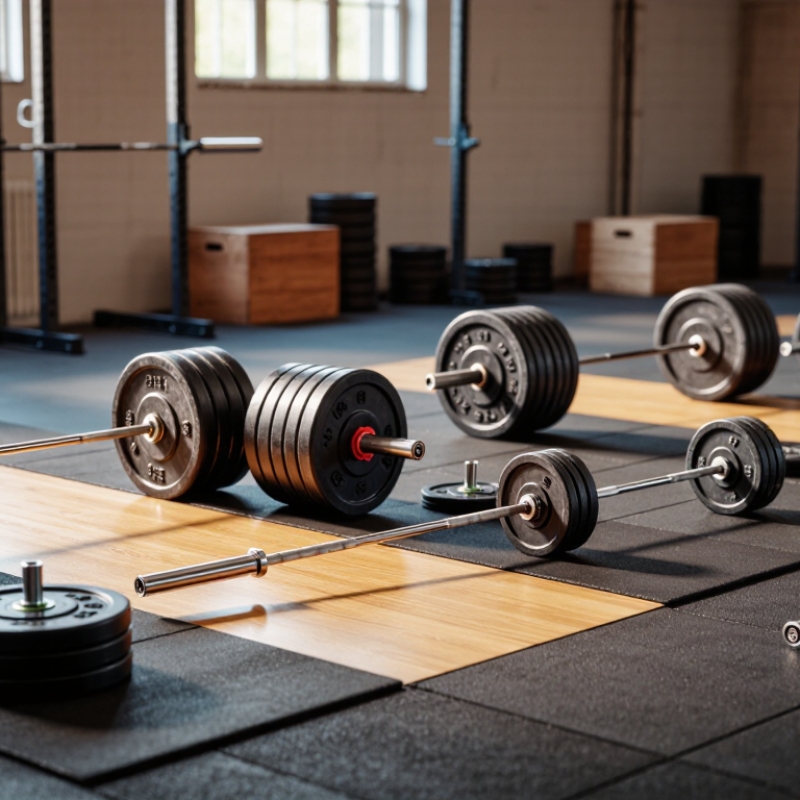
Olympic barbell design starts with the sleeve, shaft, knurling, and tensile strength. Common categories include men’s weightlifting, women’s weightlifting, powerlifting, multipurpose, training, technique, junior, safety squat, deadlift, and cambered bars. However, not every bar follows Olympic competition rules. The 2024 IWF Technical and Competition Rules specify a 20-kilogram men’s bar, a 15-kilogram women’s bar, and 50-millimeter sleeves. Shaft diameters are generally 28 and 25 millimeters respectively. These measurements affect grip comfort, whip, and starting position.
Powerlifting equipment uses different priorities. The IPF Technical Rules Book 2024 lists a 20-kilogram bar with a shaft diameter near 29 millimeters. Its knurling feels more aggressive, while its shaft usually bends less during heavy squats and deadlifts. Weightlifting bars need controlled elasticity for cleans and snatches. Their bearings or bushings should allow smooth sleeve rotation. A rough sleeve can disturb plate loading. Small details matter.
In practical testing, I check sleeve rotation, sharp knurling, straightness, and visible weld quality. A bar may meet published dimensions yet feel poorly balanced. That is an uncomfortable limitation. Tensile strength numbers also need context; manufacturers may test them differently. Beginners often choose stiffness too early. That can make learning Olympic lifts feel rigid. A careful buyer should compare official specifications, inspection records, and the bar’s intended movement, not only its maximum load claim.
The Ten Main Types of Olympic Barbells
Olympic barbells are not one uniform tool. Their dimensions, stiffness, and knurling change with the athlete’s task. The IWF 2024 Technical and Competition Rules specify a 20-kilogram men’s bar and a 15-kilogram women’s bar. Both use 50-millimeter sleeves. The men’s bar measures 2.2 meters, while the women’s bar measures 2.01 meters. These are the first two main types.
The remaining eight include junior bars, youth bars, technique bars, training bars, multipurpose bars, power bars, deadlift bars, and squat bars. Junior and youth models reduce load and reach. Technique bars often weigh 5 to 15 kilograms, helping beginners rehearse positions without excessive fatigue. Training and multipurpose bars balance whip, durability, and moderate knurling. Power bars are stiffer for squats and presses. Deadlift bars usually offer greater flex, while squat bars often use deeper center knurling. These last three are Olympic-sleeve bars, but they are not designed for Olympic lifting. The distinction matters.
The 2024 ACSM Worldwide Survey examined nearly 2,000 fitness professionals across 80 countries and continued to identify strength training as a major practice area. That demand explains the wide barbell selection, but specifications can overlap. A “junior” bar may still be too long for a small athlete. A flexible bar can also feel unstable during slow pulls. In practical testing, I would check sleeve rotation, shaft diameter, knurl sharpness, and actual weight. Labels are useful, but they are not perfect evidence.
Choosing an Olympic barbell by appearance is a common mistake. Its knurling, shaft stiffness, sleeve rotation, and load rating should match the lift. The 2024 International Weightlifting Federation Technical and Competition Rules specify 20-kilogram men’s bars and 15-kilogram women’s bars, with different lengths and grip markings. These details support the snatch and clean and jerk, where fast turnover and controlled whip matter. A competition weightlifting bar uses sharper center marks and responsive sleeves. A training weightlifting bar usually offers similar dimensions, but may tolerate rougher daily use. A technique bar is lighter, often 5 to 15 kilograms, helping beginners rehearse positions without excessive fatigue.
Powerlifting needs different behavior. A powerlifting bar is stiffer, with deeper knurling and less whip for the squat, bench press, and deadlift. The IPF Technical Rules list a 20-kilogram bar and defined dimensions, giving strength athletes a consistent reference. A deadlift bar is longer and more flexible, creating extra bar travel before the plates leave the floor. A squat bar is thicker and stiffer, spreading pressure across the upper back. A bench bar commonly uses aggressive knurling and limited whip.
Other designs solve narrower problems. A safety squat bar reduces wrist demand and shifts the torso challenge. A cambered bar lowers the load beneath the hands, exposing weak control. A multi-purpose bar balances moderate whip, general knurling, and mixed training needs. A short Olympic bar fits compact spaces, though sleeve length may restrict heavy loading. The NSCA resistance-training position stand supports matching equipment to movement demands, yet real lifters still need testing. Personal fit is not perfectly predictable.
What Are the Top 10 Types of Olympic Barbells?
The ten common types include men’s Olympic, women’s Olympic, multipurpose, powerlifting, deadlift, squat, training, technique, junior, and safety Olympic bars. Their differences matter most under load. The International Weightlifting Federation’s 2024 Technical and Competition Rules specify a 20-kilogram, 2.2-meter men’s bar and a 15-kilogram, 2.01-meter women’s bar. Men’s bars usually measure 28 millimeters, while women’s bars measure 25 millimeters. These dimensions affect grip comfort, stiffness, and flexibility.
A weightlifting bar needs controlled whip for cleans and snatches. A power bar uses greater stiffness for squats and presses. Deadlift bars usually provide more flex and longer sleeves, but that flexibility can distort early pulling technique. Training bars often balance moderate whip, durable knurling, and general capacity. Technique bars are lighter and useful for beginners, yet they should not replace a rated lifting bar permanently. Junior bars reduce reach and loading demands. Safety Olympic bars add shoulder support, though their center of gravity feels unfamiliar.
Knurling deserves careful attention. Sharp knurling improves security, but excessive aggression can damage the hands during frequent sessions. Center knurling helps squats, while no center knurling may feel better during high-repetition pulls. Bearing systems can produce smoother sleeve rotation, while bushings often feel simpler and more stable. The NSCA’s resistance-training guidance supports progressive loading, not reckless testing. Capacity labels remain imperfect because static ratings differ between manufacturers. I have seen lifters choose maximum capacity first, then ignore whip and knurling. That choice often feels wrong in practice.
The table compares common Olympic-style barbell categories using typical specifications. Exact dimensions, tensile strength, sleeve design, and rated capacity can vary by manufacturer and model.
| Type of Olympic Barbell | Primary Use | Typical Length | Typical Bar Weight | Shaft Diameter | Flexibility | Knurling Style | Relative Strength | Typical Rated Load Range | Best Feature |
|---|---|---|---|---|---|---|---|---|---|
| Men’s Olympic Weightlifting Bar | Snatch, clean, and jerk | Approximately 2.20 m | 20 kg | 28 mm | High whip | Moderate-depth shaft and center knurling | High | 300–1,500 kg, depending on construction | Fast rotation and controlled whip during explosive lifts |
| Women’s Olympic Weightlifting Bar | Snatch, clean, and jerk for smaller hands | Approximately 2.01 m | 15 kg | 25 mm | High | Moderate shaft knurling with center knurling | High | 250–1,000 kg, depending on construction | Smaller diameter and responsive whip |
| Junior or Youth Olympic Bar | Technique development and junior training | Approximately 1.80–2.20 m | 10–15 kg | 25–28 mm | High | Light-to-moderate knurling; center knurl varies | Medium to high | 100–600 kg, depending on bar design | Appropriate proportions for developing lifters |
| Powerlifting Bar | Squat, bench press, and deadlift | Approximately 2.20 m | 20 kg | 28.5–29 mm | Low whip | Aggressive knurling with center knurling | Very high | 500–1,500+ kg, depending on specification | Rigid shaft and secure grip for maximal loads |
| Multi-Purpose Olympic Bar | General strength training and mixed lifting | Approximately 2.20 m | 20 kg | 28–29 mm | Medium | Moderate knurling with limited or no center knurling | High | 300–1,000 kg, depending on construction | Balanced performance across many exercises |
| Deadlift Bar | Conventional and sumo deadlifts | Approximately 2.25–2.35 m | 20 kg | 27–28 mm | Very high whip | Long, aggressive knurling; usually no center knurl | High | 400–1,000+ kg, depending on construction | Extra length and flex can improve pull positioning |
| Squat Bar | Back squats and heavy lower-body work | Approximately 2.20–2.40 m | 20–25 kg | 30–32 mm | Very low whip | Deep center and shaft knurling | Very high | 500–1,500+ kg, depending on specification | Thick, stiff shaft for heavy squat stability |
| Technique Training Bar | Learning movement patterns and warm-ups | Approximately 1.80–2.20 m | 5–15 kg | 25–28 mm | Medium to high | Light knurling designed for frequent practice | Low to medium | 50–300 kg, depending on construction | Lower starting weight and easier handling |
| Axle-Style Olympic Bar | Grip strength, carries, presses, and strongman-style training | Approximately 2.00–2.20 m | 15–25 kg | 40–50 mm | Very low whip | Usually smooth or lightly textured; thick grip | High | 200–600 kg, depending on sleeves and shaft | Challenges hand and forearm strength |
| Safety Squat or Cambered Bar | Squatting variations and targeted lower-body training | Approximately 2.20–2.40 m | 20–30 kg | Varies by design | Low to medium | Textured handles or moderate shaft knurling | High | 250–700 kg, depending on construction | Changes load position and reduces reliance on shoulder mobility |
How to interpret the ratings: “Flexibility” refers to shaft whip under load, while “relative strength” describes the bar’s suitability for heavy or repeated loading. A rated load range is not a recommendation for personal use; always follow the bar’s published specifications and inspect it regularly.
Choosing among the top 10 Olympic barbell types starts with your training goal. The main options include competition, training, multipurpose, powerlifting, squat, deadlift, women’s, junior, technique, and axle-style bars. However, these labels are not perfectly consistent across suppliers. Check measurements, sleeve rotation, shaft diameter, and tested load capacity instead of trusting the name alone.
For snatches and clean and jerks, choose a weightlifting bar with noticeable whip and fast sleeve rotation. The International Weightlifting Federation’s 2024 Technical and Competition Rules specify a 20-kilogram bar for men and a 15-kilogram bar for women. Their lengths are 2.2 meters and 2.01 meters. These details affect grip width and starting position. A multipurpose bar suits mixed sessions, especially when space and budget are limited. It may feel less specialized, though.
Powerlifters need a stiffer bar with aggressive knurling and clear markings. A squat bar can offer extra stability, but its larger diameter may challenge smaller hands. Deadlift bars usually provide more flex, helping lifters create tension before the plates leave the floor. For beginners, ACSM’s Guidelines for Exercise Testing and Prescription recommends progressive resistance and controlled technique, not maximum loading every session. That matters more than impressive specifications. I have seen lifters choose heavy bars too early, then lose contact with the floor. My own preference is still imperfect: I would test the bar with an empty setup, moderate load, and several grip widths before buying.
Weightlifting bars flex more and rotate smoothly for snatches and cleans. Powerlifting bars are stiffer for squats, presses, and deadlifts. The difference becomes obvious under heavy loads.
A standard men’s bar weighs 20 kilograms and measures about 2.2 meters. A standard women’s bar weighs 15 kilograms and measures about 2.01 meters. Their diameters also differ.
Controlled flexibility can help the bar move during fast pulls and turnovers. Too much flex may disturb timing and balance. It takes practice to judge.
A technique bar is usually lighter, often between 5 and 15 kilograms. Beginners can rehearse positions with less fatigue. It should not replace a properly rated bar forever.
Sharp knurling improves grip security during heavy or fast lifts. Excessive sharpness can tear skin during frequent training. Center knurling can help the bar stay on your back during squats.
A deadlift bar is longer and more flexible than many other bars. It creates extra movement before the plates leave the floor. This can help pulling strength but may hide weak starting technique.
A squat bar is usually thicker and stiffer. Its size spreads pressure across the upper back. The added weight can feel uncomfortable at first.
Yes, it balances moderate flexibility, general knurling, and useful load capacity. It can support presses, pulls, squats, and basic Olympic movements. It may not excel at one lift.
Match the bar to your main lifts, available space, hand comfort, and training frequency. Check sleeve length if you plan to load heavily. Maximum capacity alone can be misleading.
Olympic Barbells are designed around standardized dimensions, a 20-kilogram training weight, rotating sleeves, and a thicker shaft than many general-purpose bars. Their construction, tensile strength, flexibility, knurling pattern, sleeve rotation, and weight capacity determine how they perform during different movements. The main types include multipurpose, powerlifting, weightlifting, deadlift, squat, bench press, technique, junior, women’s, and specialized training bars. Each type is shaped to support particular lifting demands, from explosive overhead movements to heavy, controlled strength exercises.
Choosing the right Olympic Barbell depends on your training goals, experience, body proportions, and preferred lifts. Weightlifting bars generally offer more flexibility and faster sleeve rotation, while powerlifting and squat bars are often stiffer and built for stability under heavy loads. Deadlift bars may provide additional whip, whereas technique and junior bars are easier to control for beginners. By comparing strength, knurling, flexibility, rotation, and capacity, athletes can select a bar that improves comfort, safety, and long-term training progress.
