Choosing the right bench can shape every pressing session in a commercial gym. Heavy-Duty Weight Benches must withstand repeated use, heavy loads, and constant adjustments. They should feel stable under a loaded barbell, not shift when a lifter arches or repositions. Frame construction, weld quality, padding density, adjustment systems, and weight capacity all deserve close inspection.
This guide reviews ten leading options for commercial training spaces. The evaluation considers practical details that matter during busy hours, including footprint, transport wheels, ladder-style adjustments, upholstery durability, and user comfort. A good bench should support beginners, experienced lifters, and coaches managing different training programs. It should also clean easily after repeated contact with sweat, chalk, and rubber flooring.
Real gym use reveals details that product pages often miss. A narrow pad may improve shoulder movement but feel unstable for larger athletes. Thick upholstery can feel comfortable, yet sometimes reduces pressing control. No bench is perfect. The best choice depends on traffic, available space, lifting style, and maintenance habits. We also considered manufacturer specifications and common commercial equipment standards, while recognizing that published weight ratings are not identical across brands. That limitation matters. A reliable purchase requires checking warranty terms, replacement parts, and local service support before installation. With those points in mind, this comparison highlights the strongest Heavy-Duty Weight Benches for demanding commercial environments.
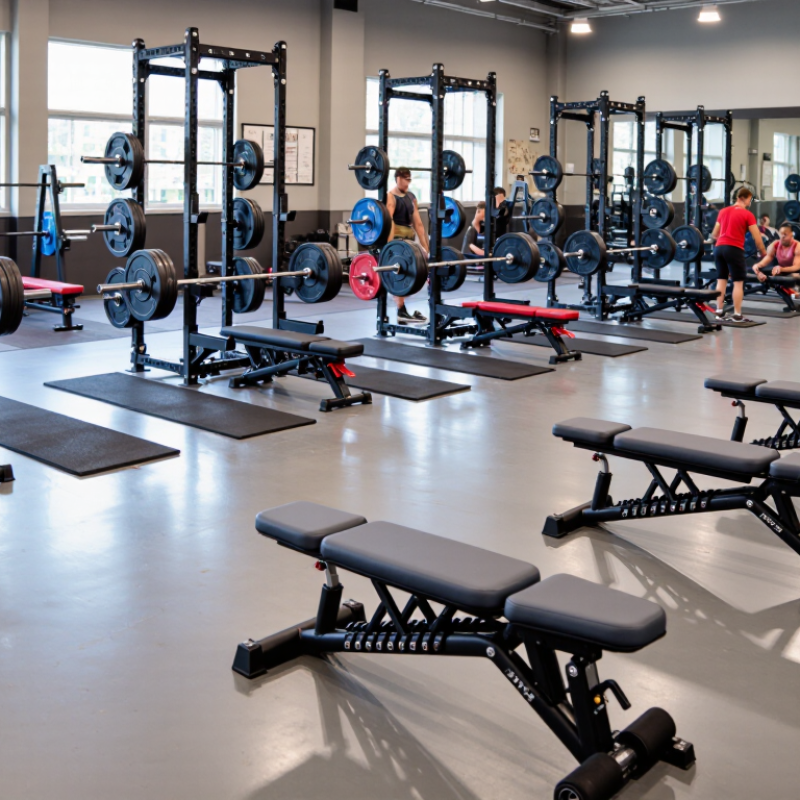
A heavy-duty weight bench for a commercial gym must handle repeated use, not just impressive numbers on a label. In my experience inspecting training areas, stability is the first practical test. A strong bench should remain planted when users press, rack, or adjust their position. Wide feet, rigid steel supports, and carefully finished welds reduce unwanted movement. That matters.
Frame thickness also deserves attention. Commercial equipment faces hundreds of loading cycles each week. Its weight rating should be clearly documented and supported by independent testing, not guessed from appearance. A reliable bench usually combines a reinforced frame with secure adjustment hardware. Loose pins or shallow locking points can become weak links over time.
Padding needs a balance between firmness and comfort. Very soft foam may feel pleasant initially, but it can compress unevenly under heavy use. Dense foam, durable covering, and sealed stitching usually withstand busy training rooms better. The backrest should adjust smoothly without excessive gaps or side-to-side play. Small details matter.
A bench should also fit different bodies and exercises. Useful adjustment angles, a sensible seat height, and enough clearance support safer positioning. I have seen strong frames paired with awkward controls, which limits real-world value. That is an easy flaw to miss. Regular inspections remain necessary, because even a well-built bench can loosen, wear, or develop damaged upholstery. Heavy duty means dependable construction, clear testing, and consistent performance after months of demanding use.
| Rank | Bench Type | Best Commercial Use | Maximum Rated Capacity | Bench Weight | Overall Dimensions | Backrest Positions | Seat Positions | Frame Construction | Key Heavy-Duty Feature |
|---|---|---|---|---|---|---|---|---|---|
| 1 | Commercial Adjustable Bench Pro | High-traffic strength areas | 1,000 lb / 454 kg | 130 lb / 59 kg | 55 × 30 × 18 in 140 × 76 × 46 cm |
7 positions | 3 positions | 11-gauge steel frame | Wide tripod base with dual rear stabilizers |
| 2 | Commercial Flat Olympic Bench | Heavy barbell pressing | 1,200 lb / 544 kg | 185 lb / 84 kg | 67 × 50 × 51 in 170 × 127 × 130 cm |
Fixed flat position | Fixed flat position | 11-gauge steel frame | Integrated bar supports with reinforced uprights |
| 3 | Multi-Adjustable Utility Bench | Dumbbell and functional training zones | 880 lb / 399 kg | 105 lb / 48 kg | 53 × 29 × 18 in 135 × 74 × 46 cm |
8 positions | 4 positions | 12-gauge steel frame | Commercial ladder adjustment with locking support |
| 4 | Heavy Incline Press Bench | Incline chest and shoulder pressing | 1,000 lb / 454 kg | 165 lb / 75 kg | 62 × 32 × 51 in 157 × 81 × 130 cm |
5 incline positions | 2 positions | 11-gauge steel frame | Fixed high-strength incline structure |
| 5 | Commercial Decline Bench | Decline pressing and abdominal work | 900 lb / 408 kg | 145 lb / 66 kg | 58 × 30 × 24 in 147 × 76 × 61 cm |
4 decline and flat positions | 2 positions | 11-gauge steel frame | Leg hold-down rollers with reinforced pivot points |
| 6 | Heavy Flat Utility Bench | Free-weight rooms and powerlifting areas | 1,100 lb / 499 kg | 95 lb / 43 kg | 52 × 29 × 18 in 132 × 74 × 46 cm |
Fixed flat position | Fixed flat position | 11-gauge steel frame | Four-point welded base for reduced movement |
| 7 | Compact Commercial Adjustable Bench | Space-efficient gym layouts | 800 lb / 363 kg | 88 lb / 40 kg | 51 × 27 × 18 in 130 × 69 × 46 cm |
6 positions | 3 positions | 12-gauge steel frame | Transport wheels with reinforced front handle |
| 8 | Competition-Style Adjustable Bench | Performance testing and coached lifting | 1,100 lb / 499 kg | 155 lb / 70 kg | 55 × 31 × 18 in 140 × 79 × 46 cm |
6 positions | 2 positions | 11-gauge steel frame | Stable, low-flex base with wide bench pad |
| 9 | Selectorized-Training Bench | Mixed-use resistance training floors | 900 lb / 408 kg | 118 lb / 54 kg | 54 × 30 × 19 in 137 × 76 × 48 cm |
7 positions | 3 positions | 12-gauge steel frame | Rounded upholstery edges for frequent user turnover |
| 10 | Heavy-Duty Folding Bench | Flexible studio and multipurpose areas | 750 lb / 340 kg | 82 lb / 37 kg | 51 × 28 × 18 in 130 × 71 × 46 cm |
6 positions | 3 positions | 12-gauge steel frame | Lockable folding mechanism with transport wheels |
Capacity figures represent the combined user and external-load rating. A commercial-grade bench should also provide a rigid welded frame, secure adjustment hardware, non-slip feet, durable upholstery, and minimal movement under repeated use.
It should remain stable during repeated pressing, racking, and position changes. A reinforced steel frame, strong welds, and secure adjustments are essential. A high rating alone proves little.
Push the back pad from several angles.
Look for thick steel, clean welds, and balanced weight distribution. Wide feet and non-slip pads can reduce movement. Check whether locking pins engage fully, not halfway.
The rating should be clearly documented and supported by independent testing. Do not judge capacity from steel thickness or appearance alone. Loading cycles matter because commercial benches may face hundreds each week.
Dense foam usually resists uneven compression better than very soft foam. The covering should tolerate sweat, disinfectant, and daily friction. Sealed stitching helps, although no upholstery lasts forever.
Flat benches support presses, rows, and repeated group sessions. Adjustable benches suit incline pressing and seated shoulder work. Decline benches support targeted pressing and core exercises. A compact utility bench may work better during crowded circuits.
Look for clear angle markings and locking points that feel secure under load. The backrest should move smoothly without large gaps or side-to-side play. More positions are not always better. Complex mechanisms may create extra maintenance.
A high bench can reduce foot contact for shorter lifters. That may weaken stability during pressing. Seat height should suit different body sizes and exercises. I once favored maximum adjustability, but simpler designs seemed easier to maintain.
Staff should check bolts, pins, hinges, pads, and upholstery regularly. Record worn parts and replace them early. Even a strong bench can loosen after months of heavy use. Inspections are imperfect.
Choosing the right Heavy-Duty Weight Benches is essential for commercial gyms that serve diverse users and demanding training routines. This guide explains what makes a bench suitable for professional use, including a strong weight capacity, reinforced frame, stable base, durable upholstery, secure adjustment mechanisms, and reliable safety features. It also presents ten top categories of commercial-grade benches, from flat and adjustable designs to Olympic, utility, and specialized performance models, without focusing on any specific brand.
The guide further explains how to match each bench with different training goals, such as pressing, bodybuilding, powerlifting, functional workouts, and general strength development. Gym owners will also learn how to compare space requirements, user comfort, maintenance needs, warranty coverage, and long-term operating value before purchasing. By evaluating construction quality, stability, versatility, and expected usage, facilities can select benches that support safe training, reduce replacement costs, and deliver dependable performance over many years.